Upper Mustang Trek
"Where Ancient Culture Meets Himalayan Adventure."
Trek Gallery
Kathmandu - Upper Mustang - Kathmandu
Follow every step of the Upper Mustang Trek — from Kathmandu to Tribhuvan International Airport. Click on any waypoint to see detailed information.
3,840m
Highest Point
Lo Manthang
140 km
Total Distance
Estimated trail distance
13
Key Waypoints
Villages, camps & peaks
+2,440m
Elevation Gain
From Kathmandu
💡 Tip: Click on any waypoint on the map to see detailed information about that stop
Trek Overview
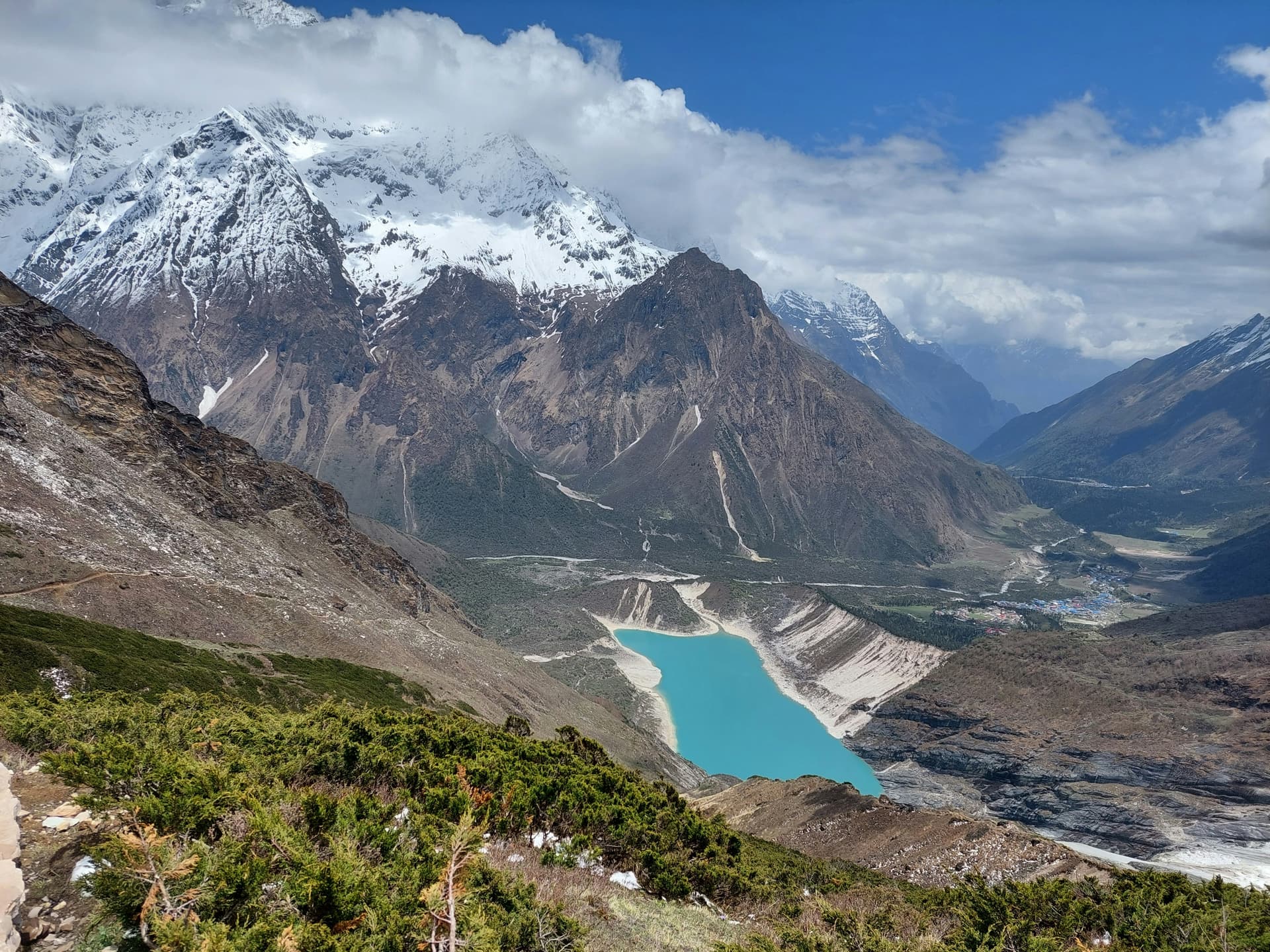
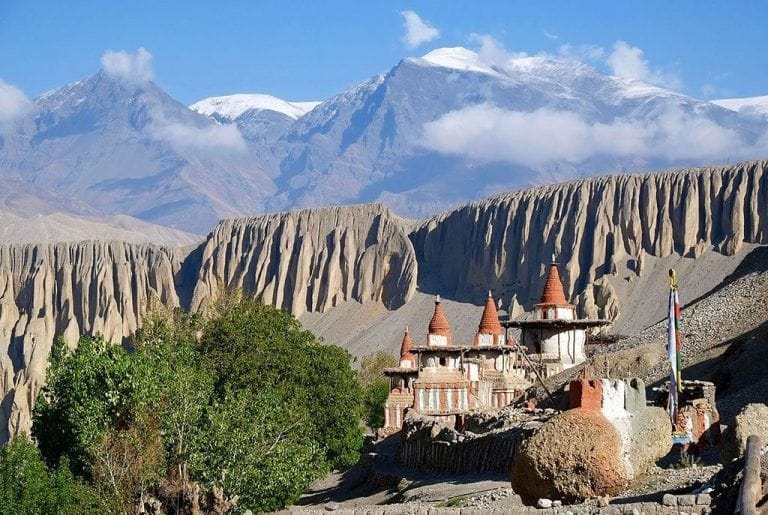
The Upper Mustang Trek is an extraordinary journey into Nepal's hidden Himalayan kingdom, offering a unique blend of dramatic desert landscapes, ancient Tibetan culture, and centuries-old Buddhist heritage. Once a forbidden kingdom, Upper Mustang remained closed to foreign visitors until 1992, preserving its rich traditions, medieval villages, and spiritual significance. Beginning from Jomsom, the trail follows the spectacular Kali Gandaki Valley, passing through remote settlements, colorful cliffs, deep canyons, and windswept plateaus before reaching the ancient walled city of Lo Manthang (3,840 m) the historic capital of the former Kingdom of Lo. Along the way, you'll explore centuries-old monasteries, traditional mud-brick villages, mysterious sky caves, and experience the authentic lifestyle of the local Loba people, whose culture closely resembles that of Tibet. Unlike Nepal's lush green trekking routes, the Upper Mustang Trek offers a striking high-altitude desert landscape set against the backdrop of the Annapurna and Dhaulagiri mountain ranges. The region's unique geography, colorful rock formations, and rich history make it one of the most distinctive trekking destinations in the Himalayas. This is more than just a trek, it's a journey through a living museum of Tibetan Buddhism, ancient trade routes, and breathtaking Himalayan scenery. Whether you're drawn by cultural exploration, remote adventures, or stunning desert landscapes, the Upper Mustang Trek promises an unforgettable experience in one of Nepal's most fascinating and exclusive trekking regions.
Highlights
Day-by-Day Itinerary
Arrive at Tribhuvan International Airport. Meet your trekking team and transfer to your hotel. Attend a pre-trek briefing and enjoy free time to explore the vibrant streets of Kathmandu.
Altitude
1,400 m (4,593 ft)
Distance
Meals
Accommodation
Hotel at Kathmandu
What's Included
Included
- Accommodation: Comfortable hotel stays in Pokhara before and after the trek, plus clean and cozy tea house accommodation throughout the trekking route.
- Meals: Daily breakfast, lunch, and dinner during the trek, featuring freshly prepared local and international dishes.
- Transportation: All airport/bus station transfers and ground transportation as per the itinerary, including transfers to and from the trekking trail.
- Guide, Porter & Permits: Government-licensed English-speaking trekking guide, porter service (1 porter for every 2 trekkers), and all required trekking permits (ACAP and TIMS, where applicable).
- Additional Services: First-aid support, pre-trek briefing, government taxes, permit fees, and all applicable service charges.
Not Included
- International Airfare & Nepal Tourist Visa fees.
- Travel Insurance, including high-altitude trekking and emergency helicopter evacuation coverage.
- Personal Expenses such as laundry, souvenirs, snacks, phone calls, beverages, and personal medications.
- Personal Trekking Equipment including trekking boots, sleeping bags, down jackets, trekking poles, gloves, and other personal gear.
- Additional Costs such as hot showers, Wi-Fi, charging fees, tips for guides and porters, and expenses caused by delays, weather, strikes, or other unforeseen circumstances.
Accommodation & Meals
Accommodation
Stay in comfortable tourist-standard hotels in Kathmandu and Pokhara before and after the trek. Enjoy authentic tea house accommodation throughout the Upper Mustang Trek. Rooms are typically twin-sharing with clean, basic facilities. Most tea houses provide comfortable beds, blankets, cozy dining areas, and shared or attached bathrooms depending on the location. Accommodation is simple yet welcoming, offering a genuine experience of life in the remote Himalayan villages. Facilities become more basic as you travel deeper into the restricted Upper Mustang region.
Meals
Daily breakfast, lunch, and dinner are included throughout the trek. Meals are freshly prepared at local tea houses using locally sourced ingredients whenever possible. Enjoy a variety of Nepali, Tibetan, Asian, and Continental dishes. Popular meals include Dal Bhat, Tibetan bread, momos, thukpa, fried rice, noodles, pasta, soups, potatoes, eggs, chapati, and seasonal vegetables. Vegetarian meals are widely available, while vegan and special dietary requirements can be accommodated with advance notice. Hot beverages such as tea, coffee, hot lemon, ginger tea, and hot chocolate are available at tea houses (additional charges may apply). Safe drinking water is available through boiled water, filtered water, or bottled water, which can be purchased along the route.
Difficulty & Fitness
Requirements
- Good overall health and physical fitness.
- Comfortable walking 10–15 km per day.
- Ability to hike for 5–7 hours on consecutive days.
- Basic endurance for uneven mountain terrain.
- Positive attitude and readiness for remote trekking conditions.
Training Tips
- Brisk walking or hiking 4–5 days per week.
- Jogging, cycling, or swimming 2–3 times per week.
- Stair climbing to build leg strength and endurance.
- Light strength training focusing on your legs and core.
- Practice hiking with a small backpack to simulate trekking conditions.
Packing List
- Moisture-wicking base layers (3-4)
- Warm hat and sun hat
- Insulating fleece/down jacket
- Gloves (liner + insulated)
- Waterproof outer shell jacket
- Warm socks (4-5 pairs)
- Trekking pants (2 pairs)
- Comfortable trekking clothes
Best Time to Trek
Spring (March – May)
Pros
- Clear mountain views, comfortable temperatures, colorful scenery, excellent photography.
Cons
- Popular season, so tea houses can be busier.
Safety & Altitude Awareness
Safety Measures
- Always trek with a licensed guide and follow their instructions throughout the journey.
- Stay well-hydrated and maintain a steady pace to reduce fatigue and altitude-related risks.
- Check weather conditions daily, as mountain weather can change quickly.
- Wear appropriate trekking gear, including sturdy boots, layered clothing, sun protection, and a first-aid kit.
Altitude Sickness
- Ascend gradually and follow the itinerary to allow proper acclimatization.
- Drink 3–4 liters of water daily and avoid excessive alcohol and smoking.
- Learn the early symptoms of altitude sickness, including headache, nausea, dizziness, and fatigue.
- Inform your guide immediately if you experience any symptoms of Acute Mountain Sickness (AMS).
Emergency Protocol
- Inform your trekking guide immediately if you feel unwell or notice any symptoms of altitude sickness.
- Your guide will assess the situation and provide first aid if necessary.
- If required, descend to a lower altitude as soon as possible under your guide's supervision.
- In serious emergencies, helicopter evacuation will be arranged if weather conditions permit and your insurance covers it.
- Follow your guide's instructions at all times and keep emergency contact details and insurance information readily available.
Frequently Asked Questions
Ready for Your Adventure?
Join trekkers from around the world on this life-changing journey.
$2,200
per person
16 Days
adventure
0
0 reviews
You Might Also Like
Discover other amazing adventures that might catch your eye.