Everest Base Camp Trek
"Walk to the foot of the world's highest mountain"
Trek Gallery

Everest Base Camp
camp
Khumbu Icefall View
landscape
Namche Bazaar
village
Hillary Suspension Bridge
trail
Trekking to Base Camp
trekking
Himalayan Panorama
landscape
Prayer Flags at Gorak Shep
camp
Tengboche Monastery
village-
Follow every step of the Everest Base Camp Trek — from Kathmandu Hotel to Kathmandu. Click on any waypoint to see detailed information.
5,364m
Highest Point
Gorak Shep
130 km
Total Distance
Estimated trail distance
10
Key Waypoints
Villages, camps & peaks
+3,964m
Elevation Gain
From Kathmandu Hotel
💡 Tip: Click on any waypoint on the map to see detailed information about that stop
Trek Overview
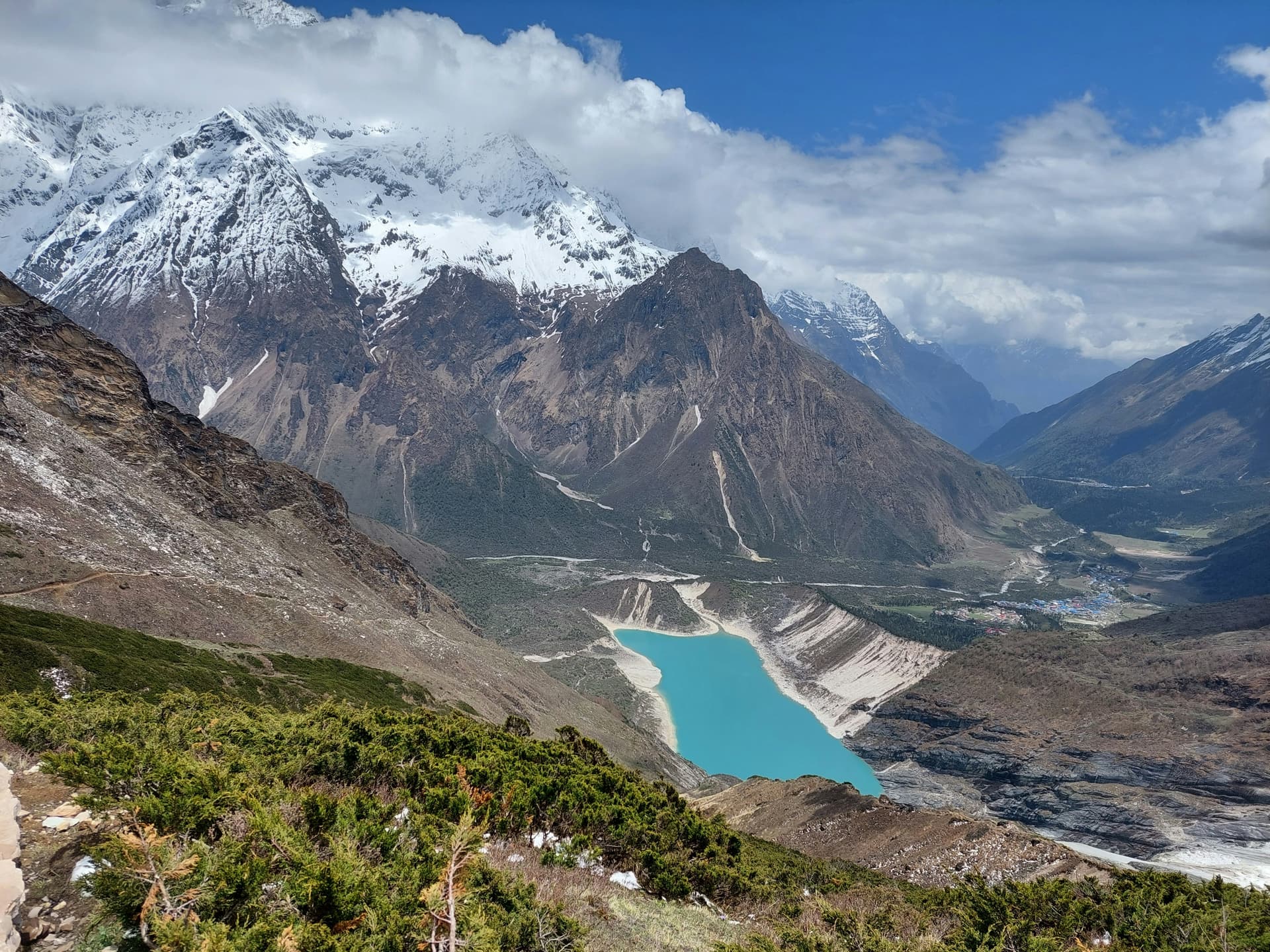
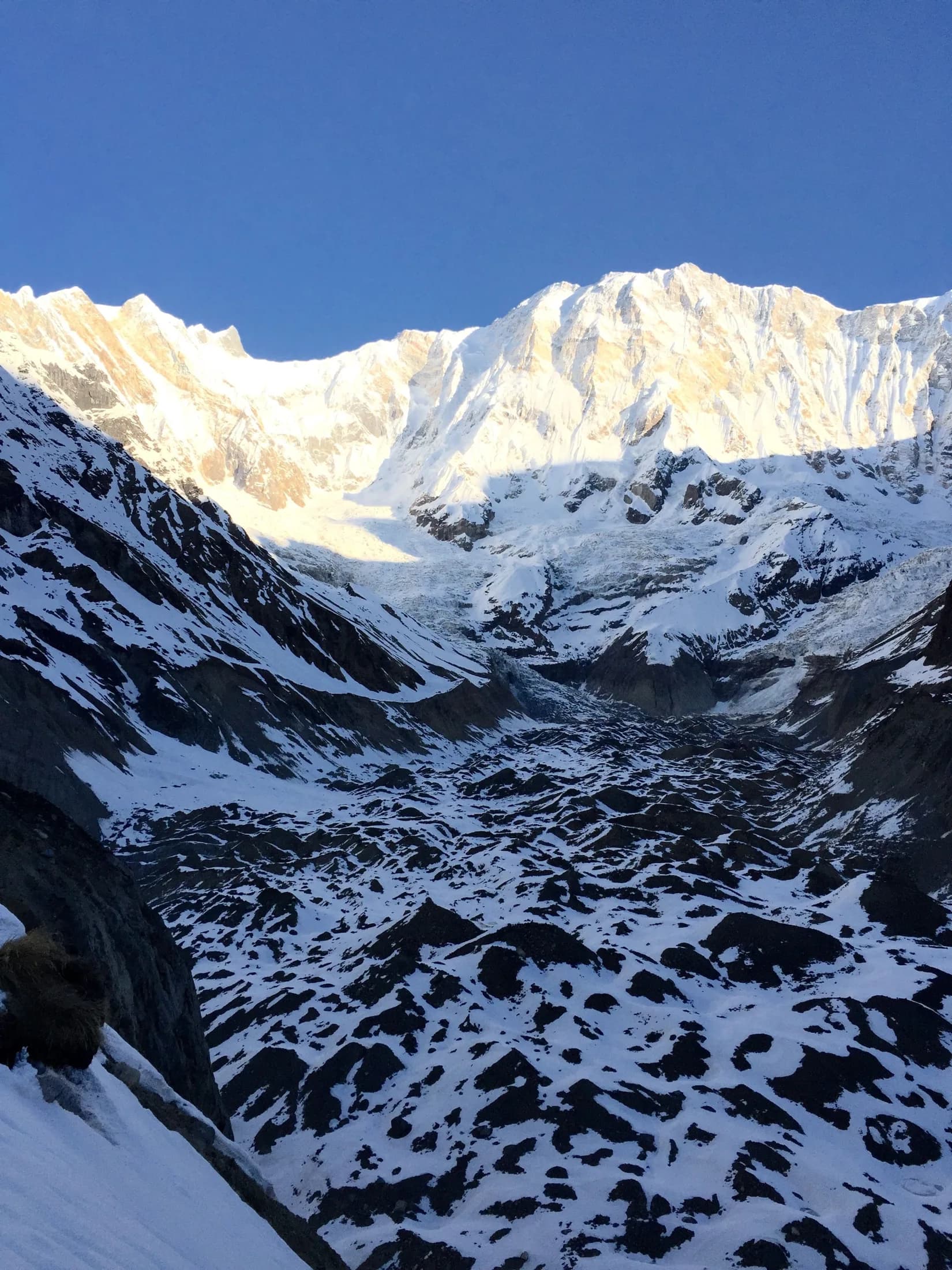
The Everest Base Camp Trek is the ultimate Himalayan adventure, taking you through the heart of the Khumbu region to the foot of the world's highest peak. This iconic journey follows in the footsteps of legendary mountaineers Sir Edmund Hillary and Tenzing Norgay.
Along the way, you'll traverse ancient Sherpa villages, cross thrilling suspension bridges, and witness some of the most dramatic mountain scenery on Earth. The trek culminates at Everest Base Camp (5,364m) and Kala Patthar (5,545m) for unparalleled views of Mount Everest.
This is more than just a trek—it's a life-changing journey that tests your limits while rewarding you with breathtaking vistas, rich Sherpa culture, and a profound sense of achievement.
Highlights
Day-by-Day Itinerary
Welcome to Nepal! Upon arrival at Tribhuvan International Airport, our representative will greet you and transfer you to your hotel. Evening briefing and gear check with your guide.
Altitude
1,400m
Distance
N/A
Meals
Welcome Dinner
Accommodation
3-Star Hotel
What's Included
Included
- Airport pickups and transfers in Kathmandu
- Domestic flights: Kathmandu-Lukla-Kathmandu
- 3-star hotel in Kathmandu (2 nights) with breakfast
- Tea house accommodation during the trek
- All meals during the trek (breakfast, lunch, dinner)
- Experienced English-speaking trekking guide
- Porter service (1 porter per 2 trekkers)
- Sagarmatha National Park entry permit
- TIMS (Trekker's Information Management System) card
- First aid kit and oximeter
- Trekking map and trip completion certificate
- All government and local taxes
Not Included
- International airfare to/from Nepal
- Nepal visa fee ($50 for 30 days)
- Travel insurance (mandatory - must cover high altitude)
- Lunch and dinner in Kathmandu
- Personal trekking gear and clothing
- Personal expenses (laundry, phone, hot showers, charging)
- Tips for guides and porters (recommended)
- Emergency evacuation/helicopter rescue
- Alcoholic and bottled beverages
- Any costs arising from unforeseen circumstances
Accommodation & Meals
Accommodation
Throughout the trek, you'll stay in traditional Nepali tea houses (lodges). These are basic but comfortable mountain lodges run by local Sherpa families. Rooms are twin-share with beds, blankets, and pillows. Higher altitude lodges have more basic facilities. Hot showers and WiFi are available at most stops (extra charge).
Meals
All meals during the trek are included. Breakfast typically consists of porridge, eggs, pancakes, and toast. Lunches and dinners feature local Nepali dal bhat (rice with lentil soup), pasta, noodles, soups, and momos. Vegetarian options always available. Food is freshly prepared and nutritious to fuel your trek.
Difficulty & Fitness
Requirements
- Ability to walk 5-7 hours per day on uneven terrain
- Comfortable hiking up and down steep trails
- No serious heart, lung, or blood pressure conditions
- Previous hiking experience highly recommended
- Mental resilience for challenging days
Training Tips
- Start cardio training 3-6 months before the trek
- Include regular hiking with a loaded backpack
- Practice stair climbing (up and down)
- Strengthen leg muscles with squats and lunges
- Work on core strength for balance on uneven terrain
- Altitude simulation training if available
Packing List
- Moisture-wicking base layers (3-4)
- Insulating fleece/down jacket
- Waterproof outer shell jacket
- Trekking pants (2 pairs)
- Warm hat and sun hat
- Gloves (liner + insulated)
- Warm socks (4-5 pairs)
- Comfortable camp clothes
Best Time to Trek
March - May (Spring)
Pros
- Rhododendron forests in full bloom
- Clear mountain views
- Warmer temperatures at lower elevations
- Longer daylight hours
Cons
- Busy trails and lodges
- Afternoon clouds possible
- Higher prices
Safety & Altitude Awareness
Safety Measures
- All guides are certified by Nepal Mountaineering Association
- Guides carry first aid kits and pulse oximeters
- Regular altitude/health checks throughout the trek
- 1:6 guide-to-trekker ratio (maximum)
Altitude Sickness
- Acute Mountain Sickness (AMS) affects many trekkers above 3,000m
- Symptoms: headache, nausea, fatigue, difficulty sleeping
- Prevention: proper acclimatization, hydration, gradual ascent
- Our itinerary includes 2 acclimatization days
Emergency Protocol
- 24/7 emergency contact support from Kathmandu office
- Helicopter evacuation can be arranged (5-6 hours to Kathmandu)
- Portable oxygen available at high camps
- Rescue coverage must be included in your insurance
- Nearest medical facilities: Pheriche (HRA clinic), Namche, Lukla
Frequently Asked Questions
Quick Facts
Duration
14 Days
Max Altitude
5,364m (17,598 ft)
Distance
130 km
Group Size
2-12 people
Accommodation
Tea Houses / Lodges
Best Season
Mar-May, Sep-Nov
Ready for Your Adventure?
Join trekkers from around the world on this life-changing journey.
$1,699
per person
14 Days
adventure
4.9
342 reviews
You Might Also Like
Discover other amazing adventures that might catch your eye.