Trek Gallery
Gallery images are being prepared.
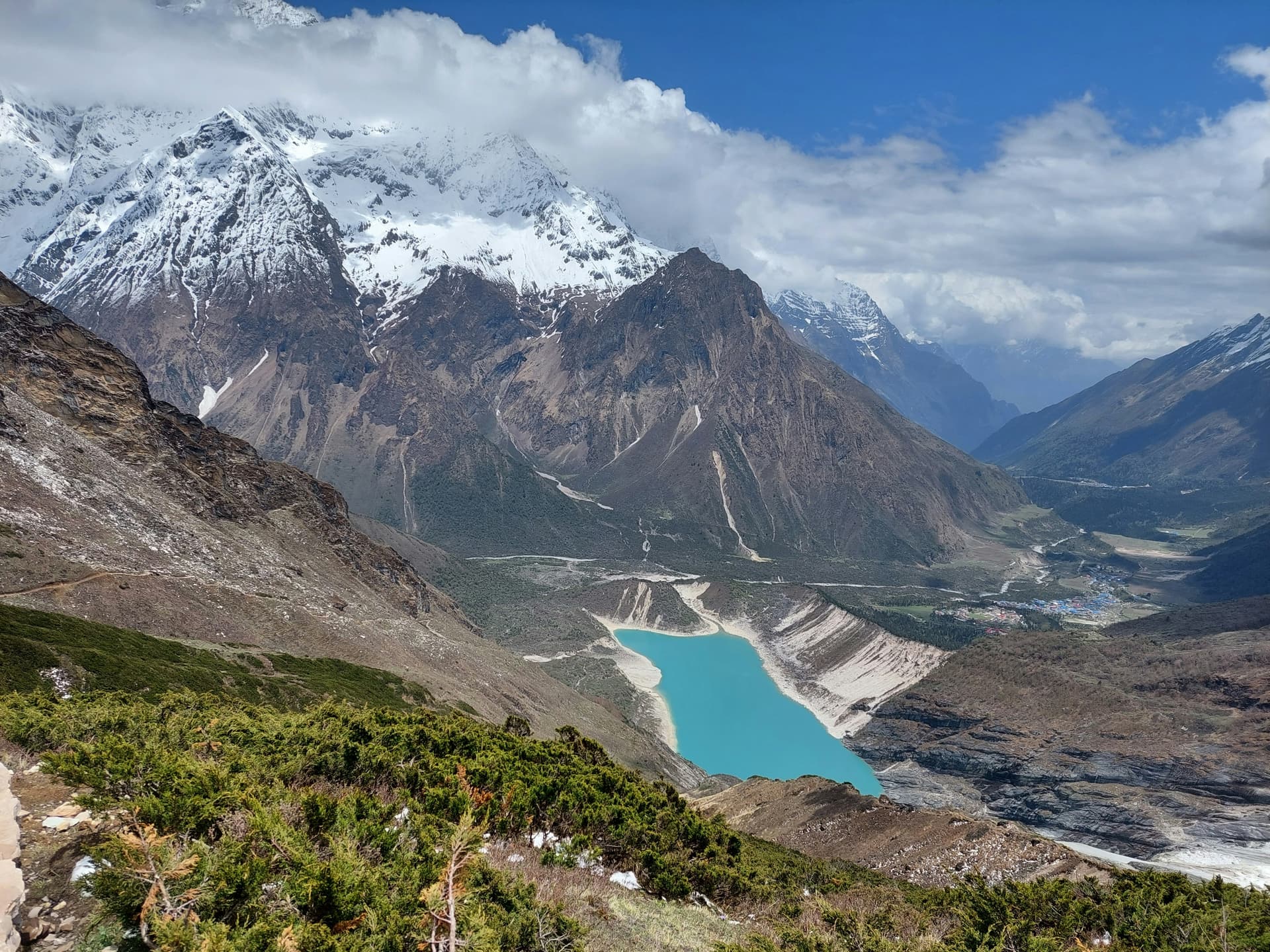
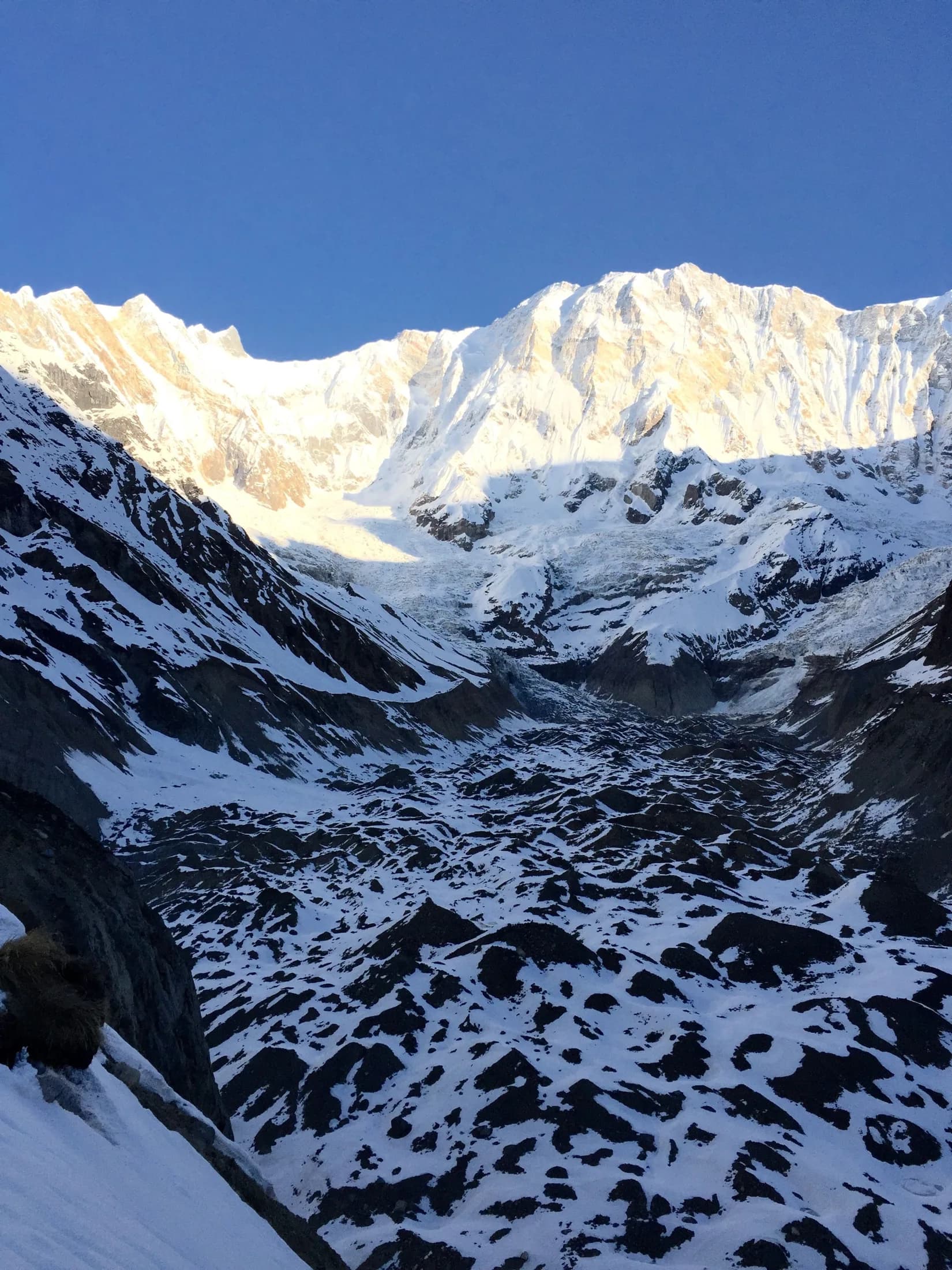
The hero image is the current visual reference. Our team can share recent route photos when you enquire.
Your Journey to Departure
Follow every step of the Annapurna Base Camp — from Pokhara to Departure. Click on any waypoint to see detailed information.
4,130m
Highest Point
Annapurna Base Camp
70–75 km
Total Distance
Estimated trail distance
10
Key Waypoints
Villages, camps & peaks
+3,308m
Elevation Gain
From Pokhara
💡 Tip: Click on any waypoint on the map to see detailed information about that stop
Trek Overview
The Annapurna Base Camp Trek is one of Nepal's most iconic Himalayan adventures, taking you deep into the breathtaking Annapurna Sanctuary, surrounded by some of the world's highest mountains. This unforgettable journey combines spectacular mountain scenery, diverse landscapes, and rich cultural experiences, making it one of the most rewarding treks in the Himalayas. Along the way, you'll pass through traditional Gurung and Magar villages, walk across suspension bridges, trek through lush rhododendron and bamboo forests, and follow scenic river valleys beneath towering snow-capped peaks. The adventure reaches its highlight at Annapurna Base Camp (4,130 m), where you'll be surrounded by the magnificent Annapurna Massif, including Annapurna I (8,091 m), Machhapuchhre (Fishtail), Hiunchuli, and Annapurna South. More than just a trek, the Annapurna Base Camp Trek is a journey of discovery, offering breathtaking Himalayan landscapes, warm local hospitality, unforgettable sunrises, and a deep connection with nature. Whether you're an experienced hiker or embarking on your first Himalayan adventure, this trek promises memories that will last a lifetime.
Highlights
Day-by-Day Itinerary
Meet our representative and transfer to your hotel. Explore the beautiful Lakeside area or relax after your journey. Attend a trek briefing with your guide.
Altitude
822m
Distance
N/A
Meals
N/A
Accommodation
Hotel
What's Included
Included
- Hotel accommodation in Pokhara (before and after the trek)
- Tea house accommodation during the trek
- Daily breakfast, lunch, and dinner during trekking
- All ground transportation as per the itinerary
- Airport or tourist bus station transfers
- Government-licensed English-speaking trekking guide
- Porter service (1 porter for every 2 trekkers)
- Annapurna Conservation Area Permit (ACAP)
- Comprehensive first-aid kit carried by the guide
- All government taxes and service charges
Not Included
- International airfare
- Nepal tourist visa fee
- Travel insurance (mandatory - must cover high altitude)
- Lunch and dinner in Kathmandu
- Personal trekking gear and clothing
- Personal expenses (laundry, phone, hot showers, charging)
- Tips for guides and porters (recommended)
- Emergency evacuation/helicopter rescue
- Alcoholic and bottled beverages
- Any costs arising from unforeseen circumstances
Accommodation & Meals
Accommodation
Throughout the trek, you'll stay in traditional teahouses (lodges). These are comfortable mountain lodges run by local Gurung families, generally among the best-developed teahouse infrastructure in Nepal given how established this route is. Rooms are twin-share with a bed, blanket, and pillow. Facilities remain fairly consistent throughout the trek, even near Annapurna Base Camp itself, though rooms get simpler and colder the higher you climb. Hot showers and Wi-Fi are widely available at most stops for a small extra charge.
Meals
All meals during the trek are included. Breakfast typically consists of porridge, eggs, pancakes, and toast. Lunches and dinners feature local dal bhat (rice with lentil soup), pasta, noodles, soups, and momos. Vegetarian options are always available. Because this is one of Nepal's most established trekking routes, menu variety stays fairly consistent even near base camp
Difficulty & Fitness
Requirements
- Ability to walk 5–7 hours per day on uneven terrain
- Comfortable hiking up and down stone staircases
- No serious heart, lung, or blood pressure conditions
- Previous hiking experience helpful but not required
- Good general stamina for consecutive trekking days
Training Tips
- Start cardio training 3–4 weeks before the trek
- Include regular hiking with a light-to-moderate backpack
- Practice stair climbing to prepare for the Chhomrong steps
- Build up to walking 8–10 km comfortably
- Mental resilience for challenging days
Packing List
- Moisture-wicking base layers (3-4)
- Waterproof outer shell jacket
- Warm hat and sun hat
- Warm socks (4-5 pairs)
- Insulating fleece/down jacket
- Trekking pants (2 pairs)
- Gloves (liner + insulated)
- Comfortable camp clothes
Best Time to Trek
Spring (March – May)
Pros
- Rhododendron forests in full bloom, especially around Ghandruk and Chhomrong
- Clear mountain views of Annapurna I, Machhapuchhre, and Hiunchuli
- Warmer temperatures at lower elevations
- Longer daylight hours
Cons
- Busy trails and teahouses
- Afternoon clouds possible, especially in late spring
- Advance booking recommended for peak weeks
Safety & Altitude Awareness
Safety Measures
- All guides are certified by Nepal Mountaineering Association
- Guides carry first aid kits and pulse oximeters
- Regular altitude/health checks throughout the trek
Altitude Sickness
- Acute Mountain Sickness (AMS) affects many trekkers above 3,000m
- Symptoms: headache, nausea, fatigue, difficulty sleeping
- Prevention: proper acclimatization, hydration, gradual ascent
- Diamox can help prevent/reduce symptoms (consult doctor)
Emergency Protocol
- 24/7 emergency contact support from Kathmandu office
- Helicopter evacuation can be arranged (5-6 hours to Kathmandu)
- Portable oxygen available at high camps
- Rescue coverage must be included in your insurance
Frequently Asked Questions
You Might Also Like
Discover other amazing adventures that might catch your eye.