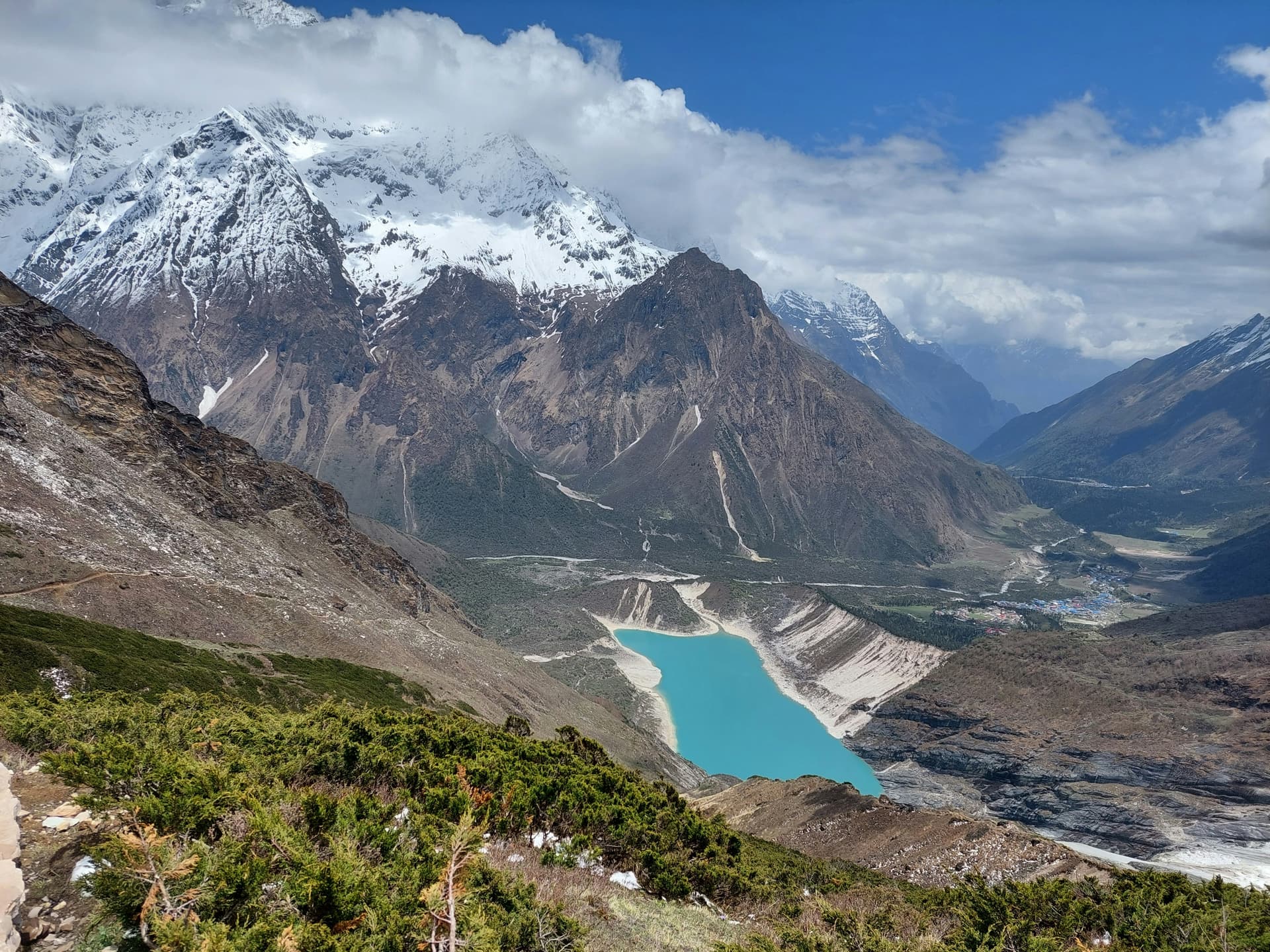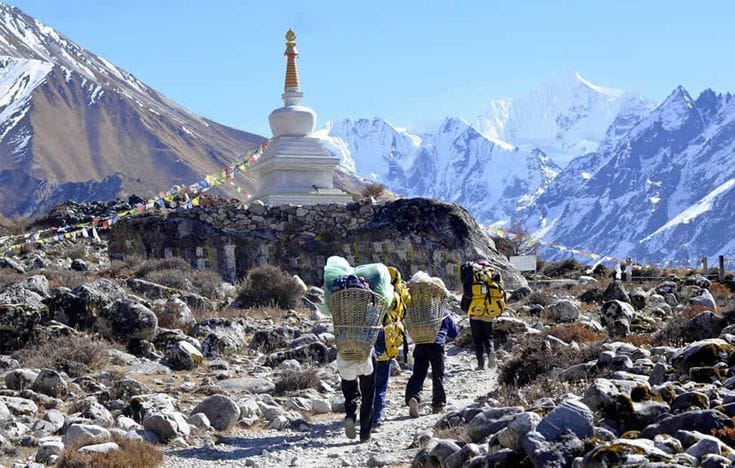
Helambu Trek
"A Real Himalayan Trek, Without the Long Journey."
Trek Gallery
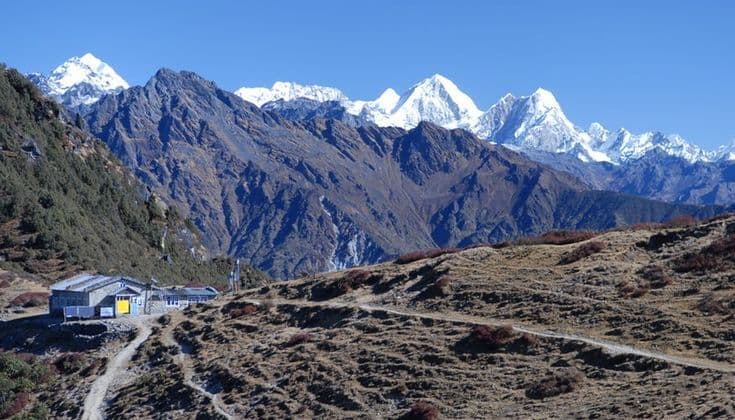
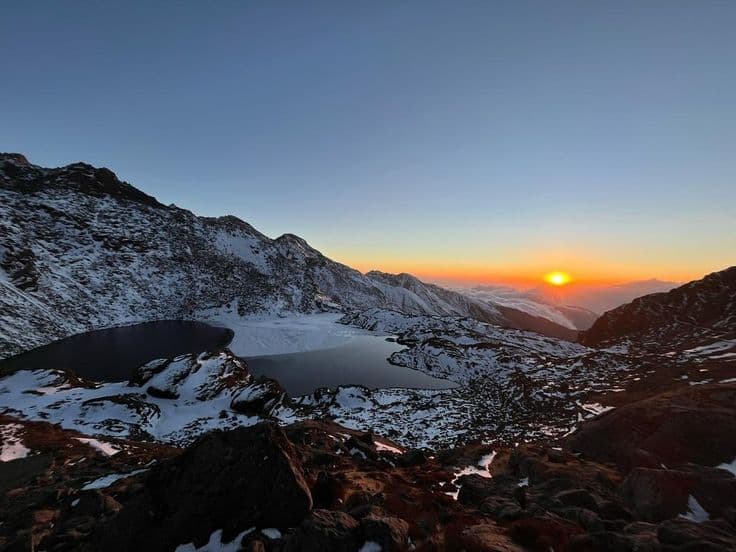
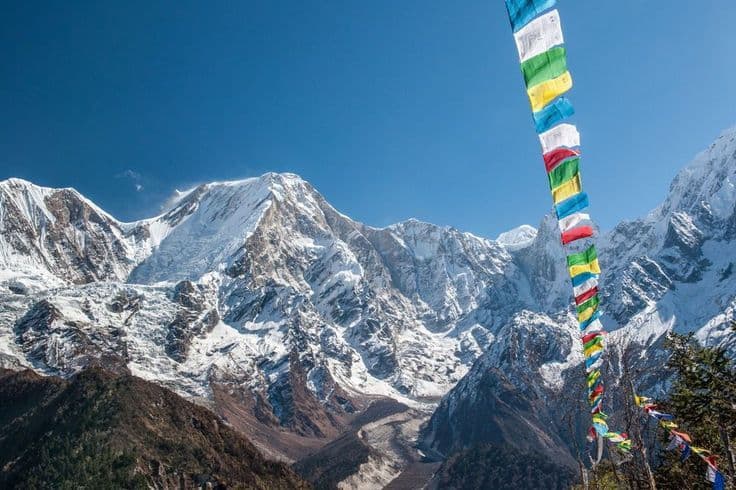
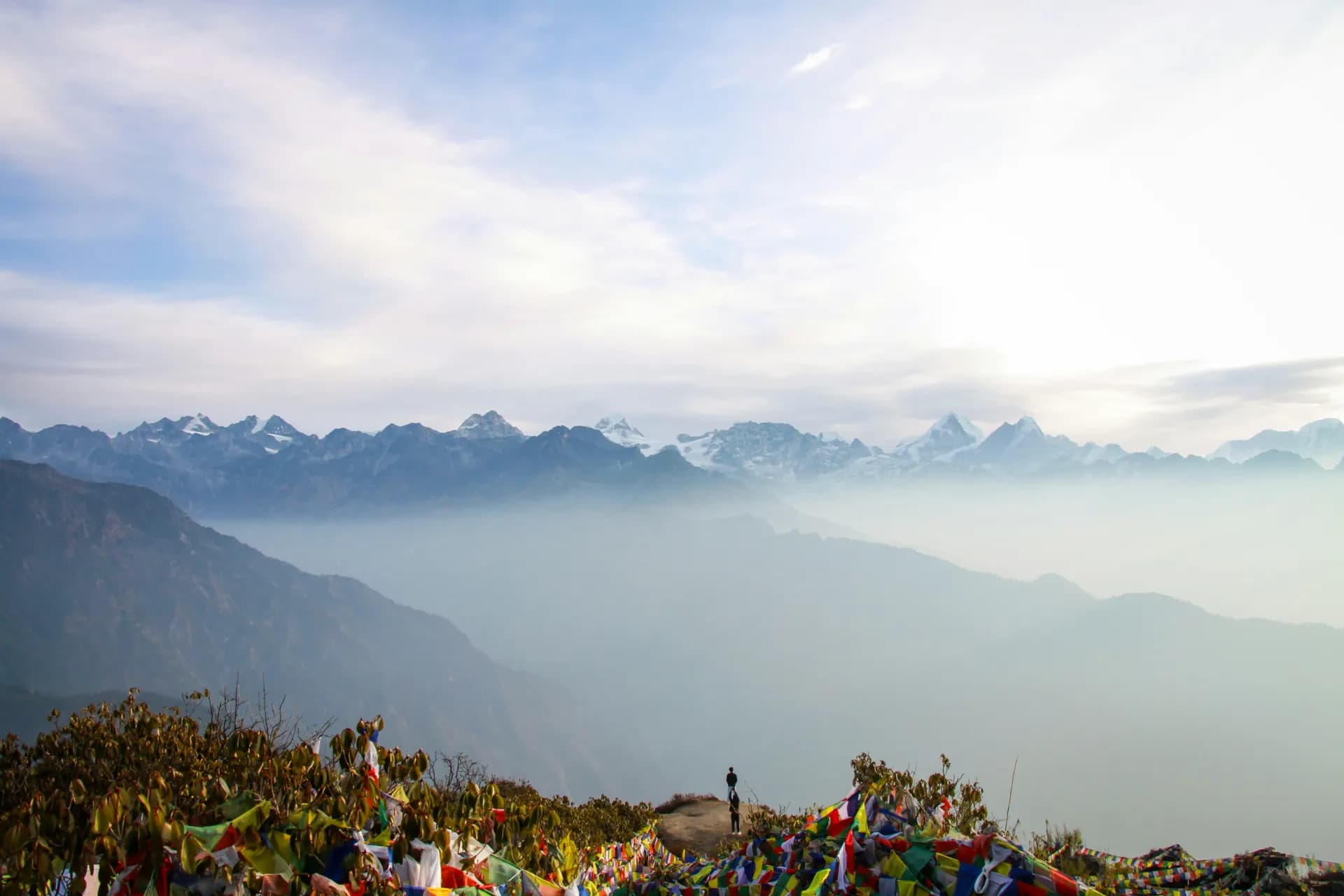
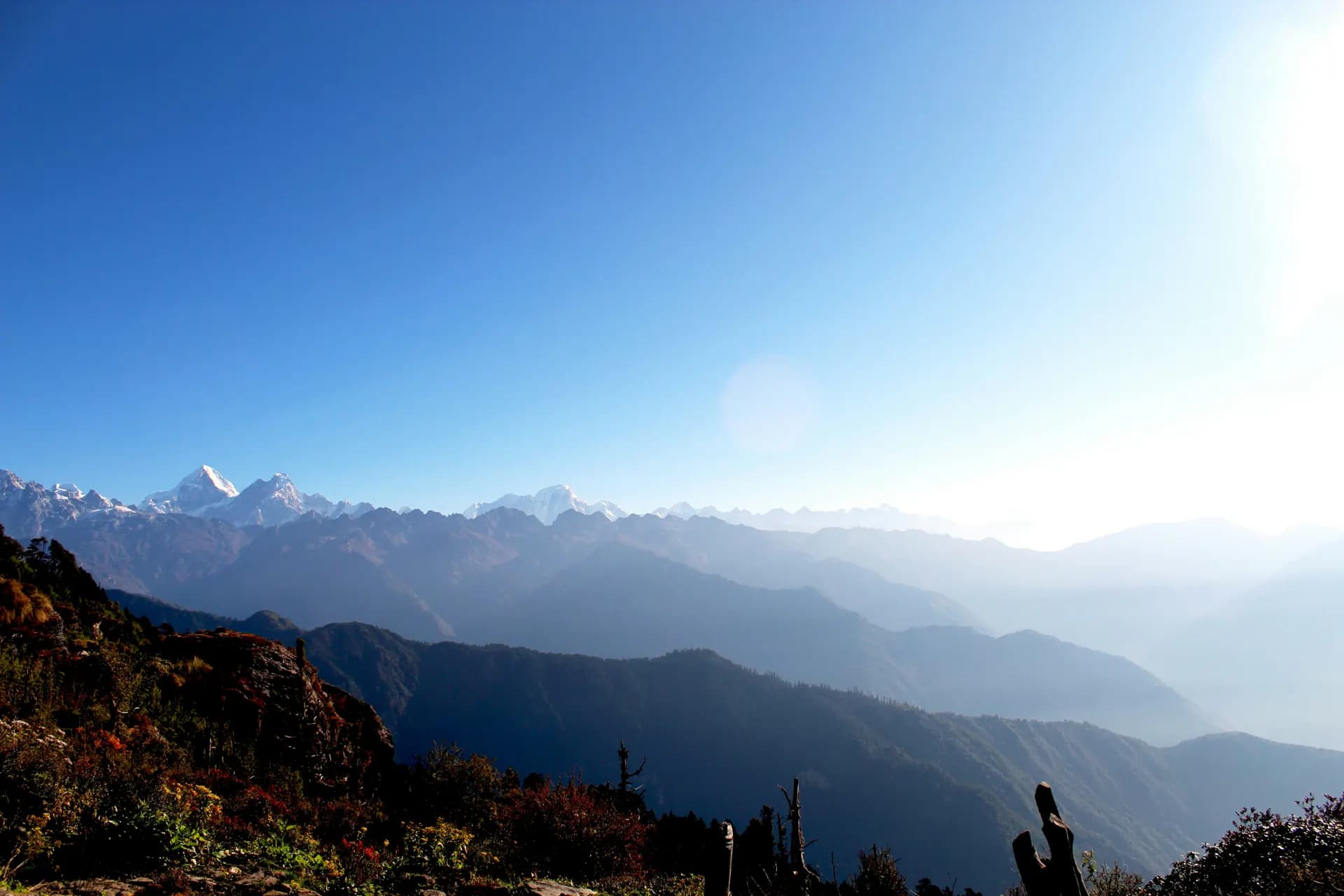
Your Journey to Helambu Trek
Follow every step of the Helambu Trek — from Kathmandu to International Airport. Click on any waypoint to see detailed information.
3,690m
Highest Point
Thadepati
65 km
Total Distance
Estimated trail distance
8
Key Waypoints
Villages, camps & peaks
+2,290m
Elevation Gain
From Kathmandu
💡 Tip: Click on any waypoint on the map to see detailed information about that stop
Trek Overview
The Helambu Trek is one of the most accessible Himalayan journeys in Nepal, beginning at Sundarijal on the northeastern rim of the Kathmandu Valley, meaning trekkers can be on the trail within an hour of leaving the city, with no domestic flight required. Helambu is home to the Hyolmo (Sherpa-related, Tibetan Buddhist) people, and the route winds through their villages, forests, and centuries-old monasteries without venturing into truly remote or restricted territory.
The trail climbs steadily through Shivapuri Nagarjun National Park and Langtang National Park, passing through Chisapani and Kutumsang, up to Thadepati, the trek's highest point at roughly 3,690m, where clear-weather views open up across the Langtang and Jugal Himal ranges. From Thadepati, the route descends into the heart of Helambu proper, through the Hyolmo villages of Tarke Ghyang and Sermathang, known for their painted monasteries, chörtens, and apple orchards before finishing at Melamchi Bazaar for the drive back to Kathmandu.
Because it stays below 4,000m, involves no high-altitude pass crossing, and needs no special restricted-area permit, Helambu is consistently recommended as one of Nepal's best short treks for first-timers, families, and travelers with limited time who still want genuine Himalayan scenery and cultural depth.
Highlights
Day-by-Day Itinerary
Arrive at Tribhuvan International Airport, meet our representative, and transfer to your hotel. Attend a trek briefing with your guide.
Altitude
1400m
Distance
N/A
Meals
N/A
Accommodation
Hotel
What's Included
Included
- Airport pickups and transfers in Kathmandu
- Ground transportation: Kathmandu–Sundarijal and Melamchi Bazaar–Kathmandu
- 3-star hotel in Kathmandu (2 nights) with breakfast
- Tea house accommodation during the trek
- Experienced, government-licensed English-speaking trekking guide
- Porter service (1 porter per 2 trekkers)
- Langtang National Park entry permit
- Trekkers' Information Management System (TIMS) card
- First aid kit and oximeter
- Trekking map and trip completion certificate
Not Included
- International airfare to/from Nepal
- Nepal tourist visa fee
- Travel and rescue insurance
- Personal expenses (snacks, drinks, souvenirs)
- Hot showers, Wi-Fi, and charging fees (limited availability above Kutumsang)
- Bottled water and other beverages
- Tips for guide and porter
- Personal trekking equipment and gear
- Extra nights in Kathmandu beyond the itinerary
- Services not mentioned in inclusion
Accommodation & Meals
Accommodation
You'll spend two nights in Kathmandu in a comfortable hotel before and after the trek. On the trail, you'll stay in tea houses run by local Hyolmo and Tamang families. Lower sections around Chisapani and Kutumsang offer reasonably comfortable lodges, while Thadepati is more basic, being the highest and most exposed stop on the route. Facilities improve again as you descend into Tarke Ghyang and Sermathang.
Meals
All meals during the trek are included. Breakfast typically consists of porridge, eggs, and Tibetan bread. Lunches and dinners feature dal bhat (rice with lentil soup), thukpa, noodles, and simple soups, with more variety available than on Nepal's more remote restricted-area treks since Helambu is closer to Kathmandu's supply routes.
Difficulty & Fitness
Requirements
- Ability to walk 4–6 hours per day on hilly, well-maintained trails
- Comfortable with sustained daily walking over 8 days
- No serious heart, lung, or blood pressure conditions
- No previous trekking experience required
- Good general fitness recommended for the steeper climb to Thadepati
Training Tips
- Start cardio training 3–4 weeks before the trek
- Include regular hiking with a light daypack
- Add stair climbing to your weekly routine
- Build up to walking 8–10 km comfortably
- Take at least one day hike before departure
Packing List
- Moisture-wicking base layers (2–3)
- Waterproof outer shell jacket
- Warm hat and sun hat
- Warm socks (3–4 pairs)
- Insulating fleece/down jacket
- Trekking pants (2 pairs)
- Gloves (liner + insulated)
- Comfortable camp clothes
Best Time to Trek
March - May (Spring)
Pros
- Rhododendron and magnolia forests in full bloom
- Clear mountain views of Langtang and Jugal Himal
- Warmer temperatures at lower elevations
- Comfortable trekking conditions throughout
Cons
- Occasional afternoon haze in the lower valley
- Cold nights at Thadepati
Safety & Altitude Awareness
Safety Measures
- All guides are experienced, government-licensed trekking professionals
- Guides carry first aid kits and pulse oximeters
- Regular health checks throughout the trek
- 1:8 guide-to-trekker ratio (maximum)
Altitude Sickness
- Since the trek's maximum altitude is 3,690m, altitude sickness risk is low compared to Nepal's high-pass treks
- Mild AMS symptoms are still possible above 3,000m, particularly on the climb to Thadepati
- Symptoms: headache, nausea, fatigue, difficulty sleeping
- Prevention: proper hydration, steady pace, gradual ascent
Emergency Protocol
- 24/7 emergency contact support from Kathmandu office
- Helicopter evacuation can be arranged (weather permitting)
- Portable first-aid kit and oximeter carried by your guide
- Rescue coverage should be included in your insurance
- Nearest medical facilities: health posts in Kutumsang and Tarke Ghyang, with full medical care available back in Kathmandu, roughly a day's travel away
Frequently Asked Questions
Ready for Your Adventure?
Join trekkers from around the world on this life-changing journey.
$650
per person
8 Days
adventure
4.6
0 reviews
You Might Also Like
Discover other amazing adventures that might catch your eye.