Everest Three Passes Trek
"Three Passes. One Ultimate Everest Adventure."
Trek Gallery
Your Complete Everest Circuit
Follow every step of the Everest Three Passes Trek — from Kathmandu to International Airport. Click on any waypoint to see detailed information.
5,545m
Highest Point
Dzongla
Approx. 170–180 km
Total Distance
Estimated trail distance
15
Key Waypoints
Villages, camps & peaks
+4,145m
Elevation Gain
From Kathmandu
💡 Tip: Click on any waypoint on the map to see detailed information about that stop
Trek Overview
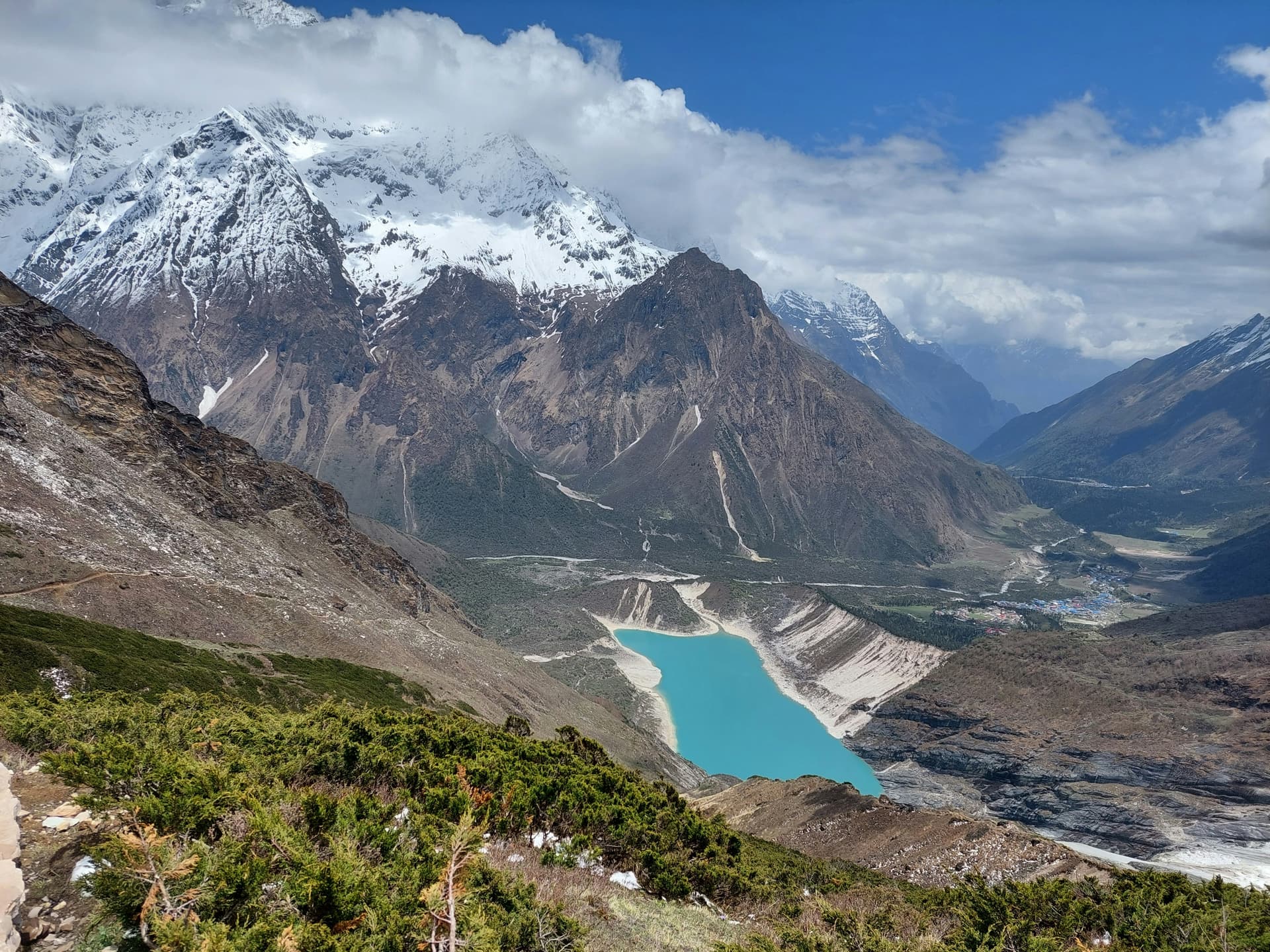
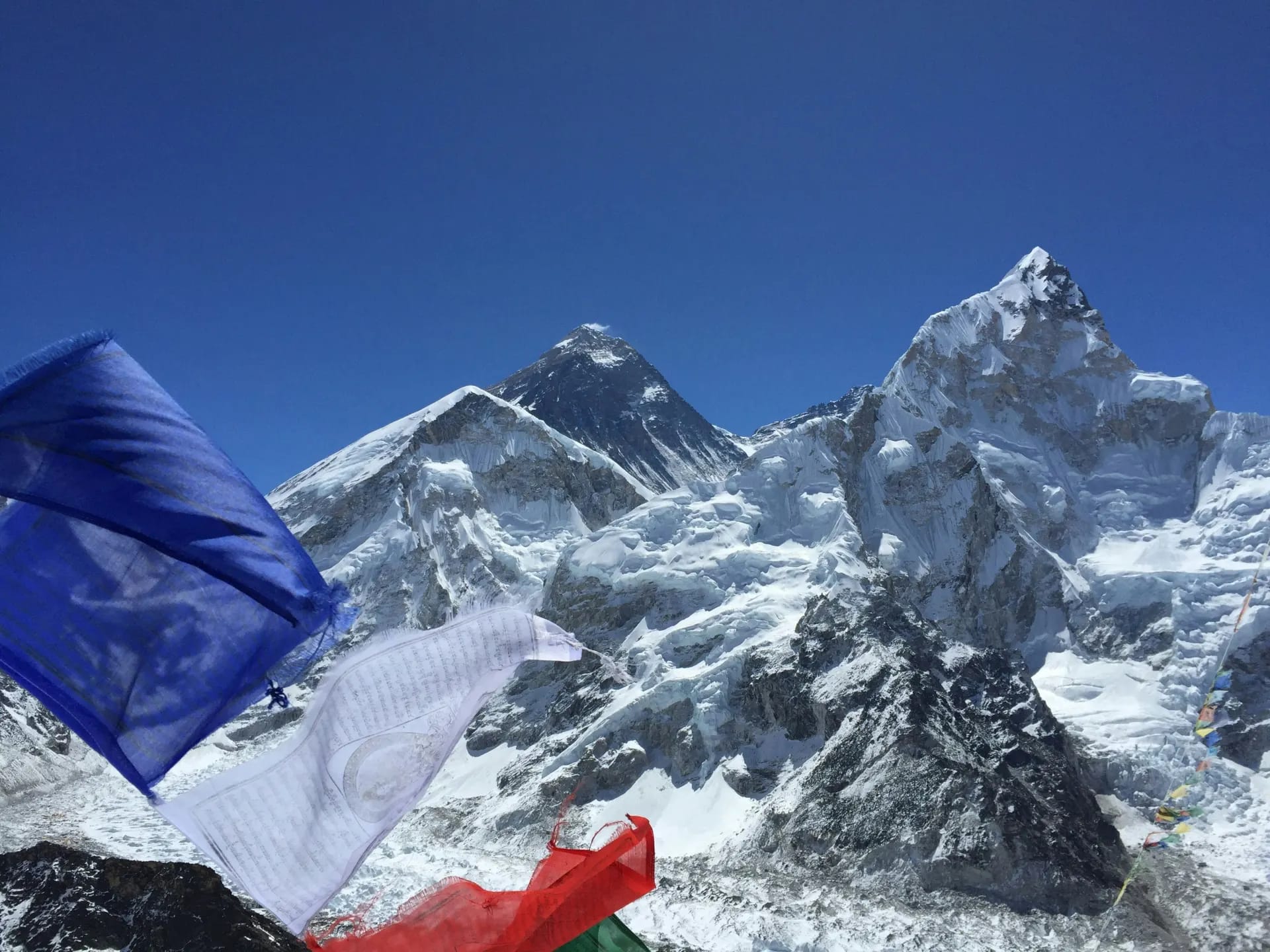
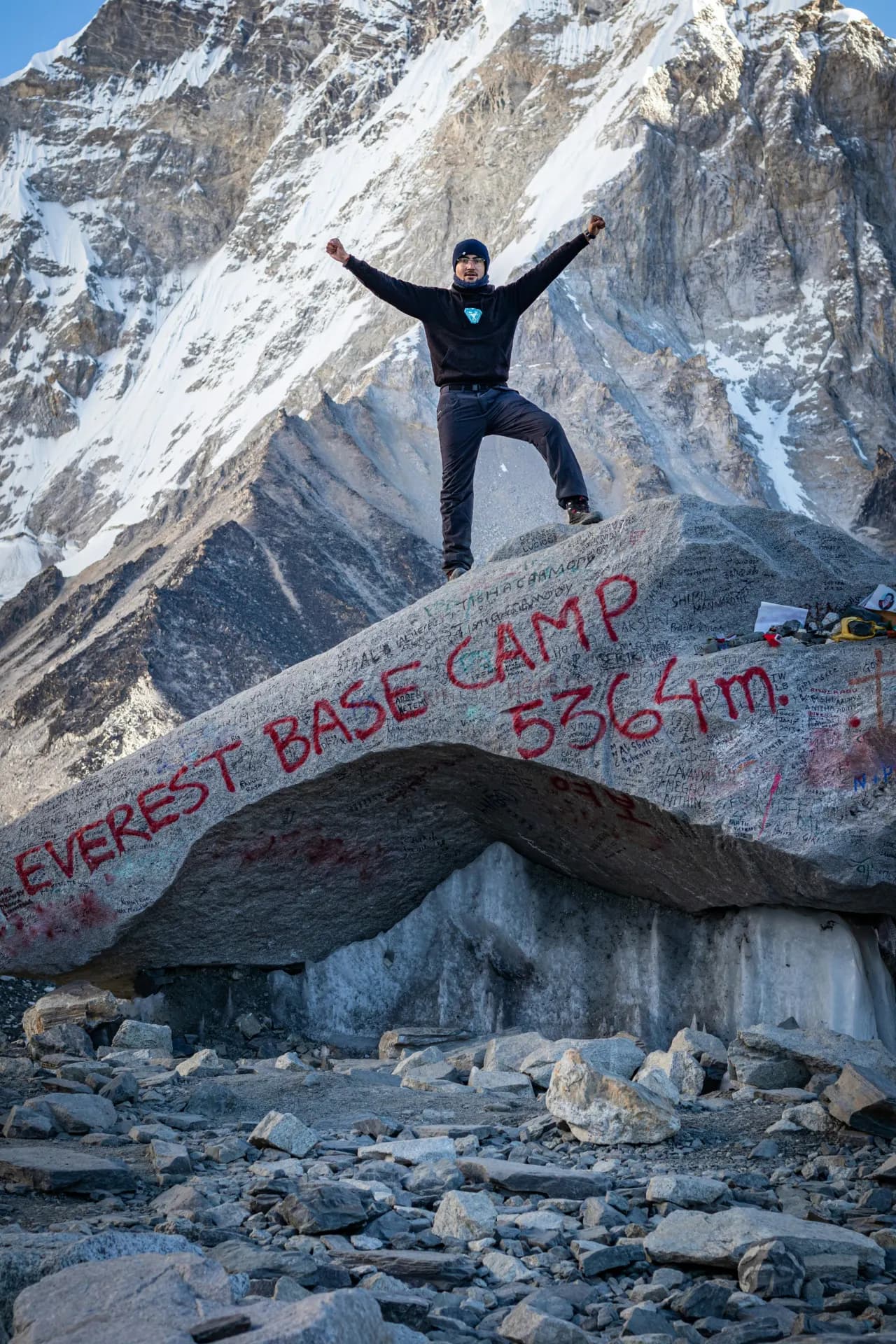
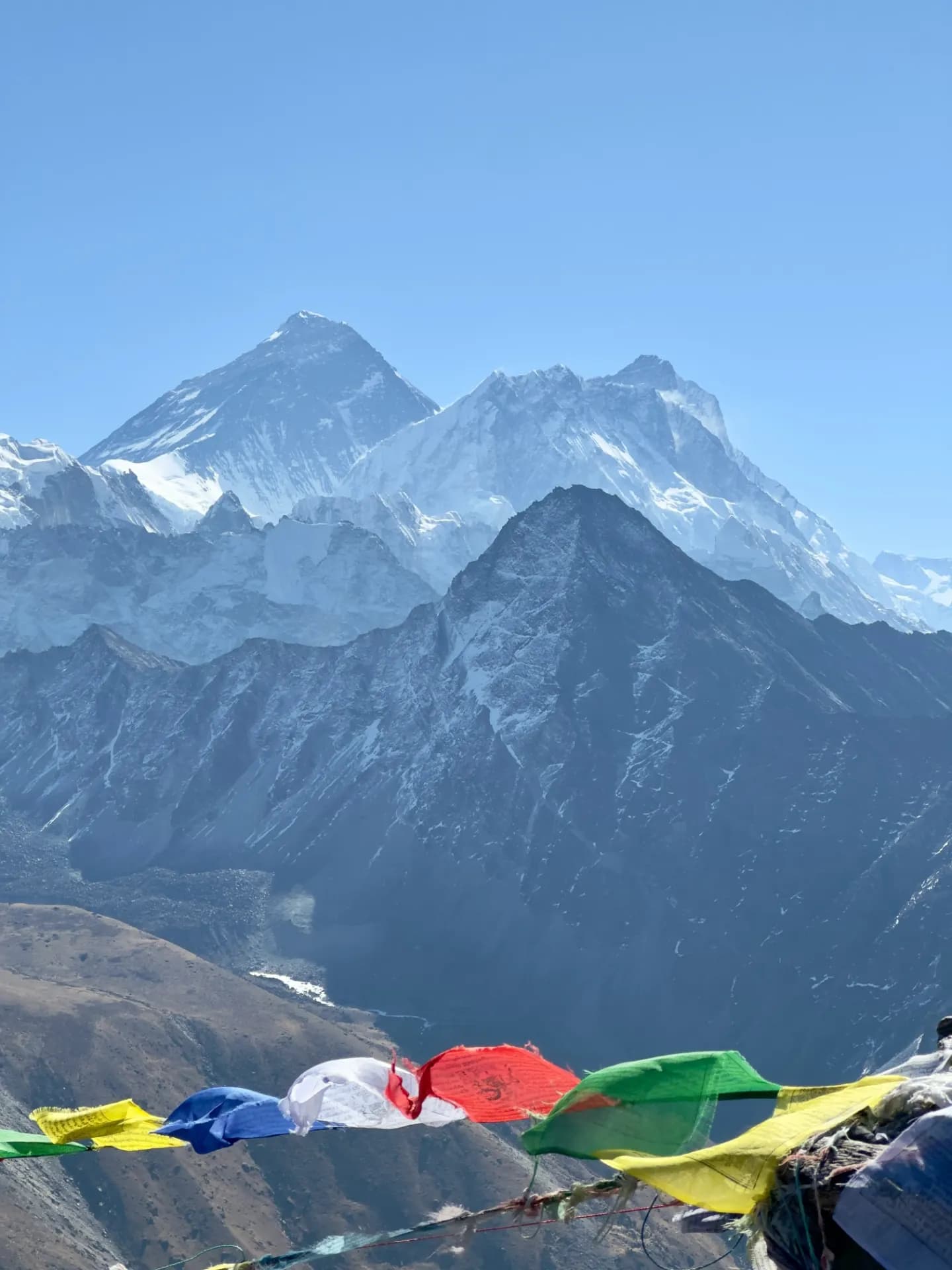
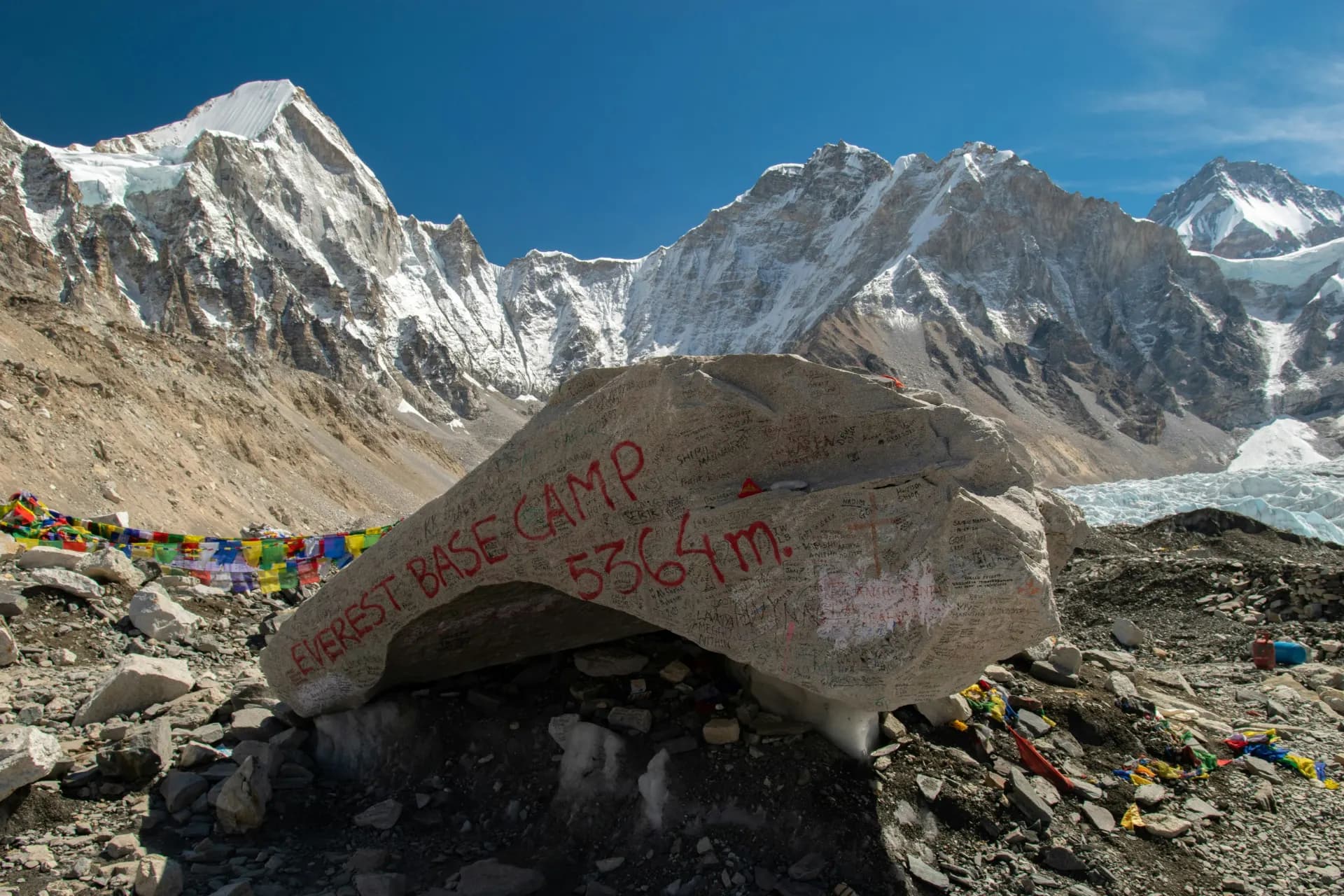
The Everest Three Passes Trek is the ultimate high-altitude circuit through the Everest region, connecting the remote valleys, glacial landscapes, turquoise Gokyo Lakes, and legendary landmarks of the Khumbu. Rather than following the same trail to Everest Base Camp and back, this challenging route forms a complete circuit across three spectacular high mountain passes: Kongma La (5,535m), Cho La (5,420m), and Renjo La (5,360m) while also reaching Everest Base Camp and Kala Patthar.
Starting with a scenic flight from Kathmandu to Lukla, the trek gradually climbs through Namche Bazaar, Tengboche, Dingboche and Chhukung before crossing Kongma La into the Everest Base Camp valley. After reaching Everest Base Camp and Kala Patthar, the trail crosses the icy Cho La into the beautiful Gokyo Valley, where the turquoise Gokyo Lakes and Gokyo Ri provide a completely different perspective of the Himalayas. The final crossing of Renjo La leads into the quieter Bhote Koshi Valley before returning to Thame, Namche and Lukla.
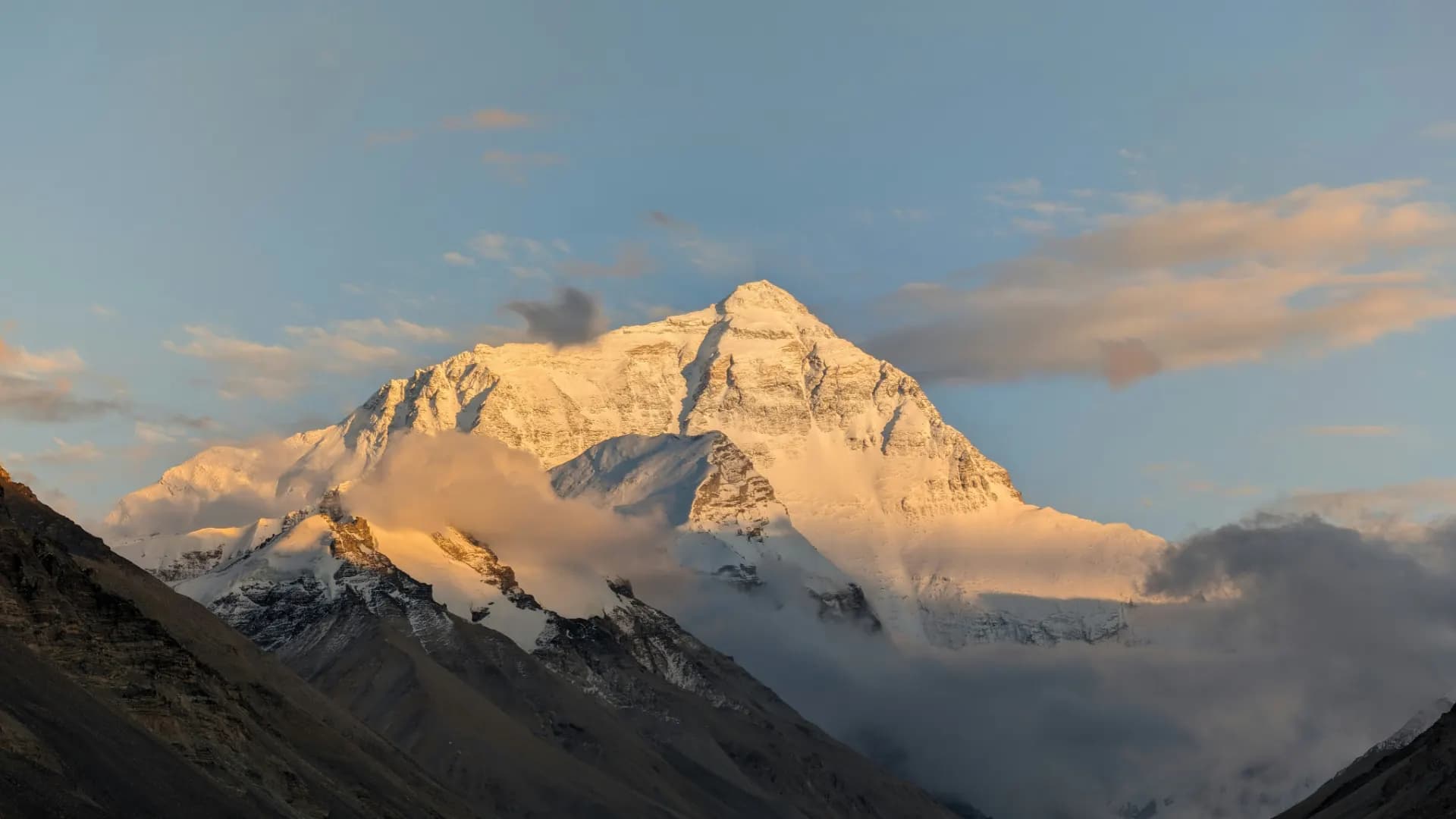
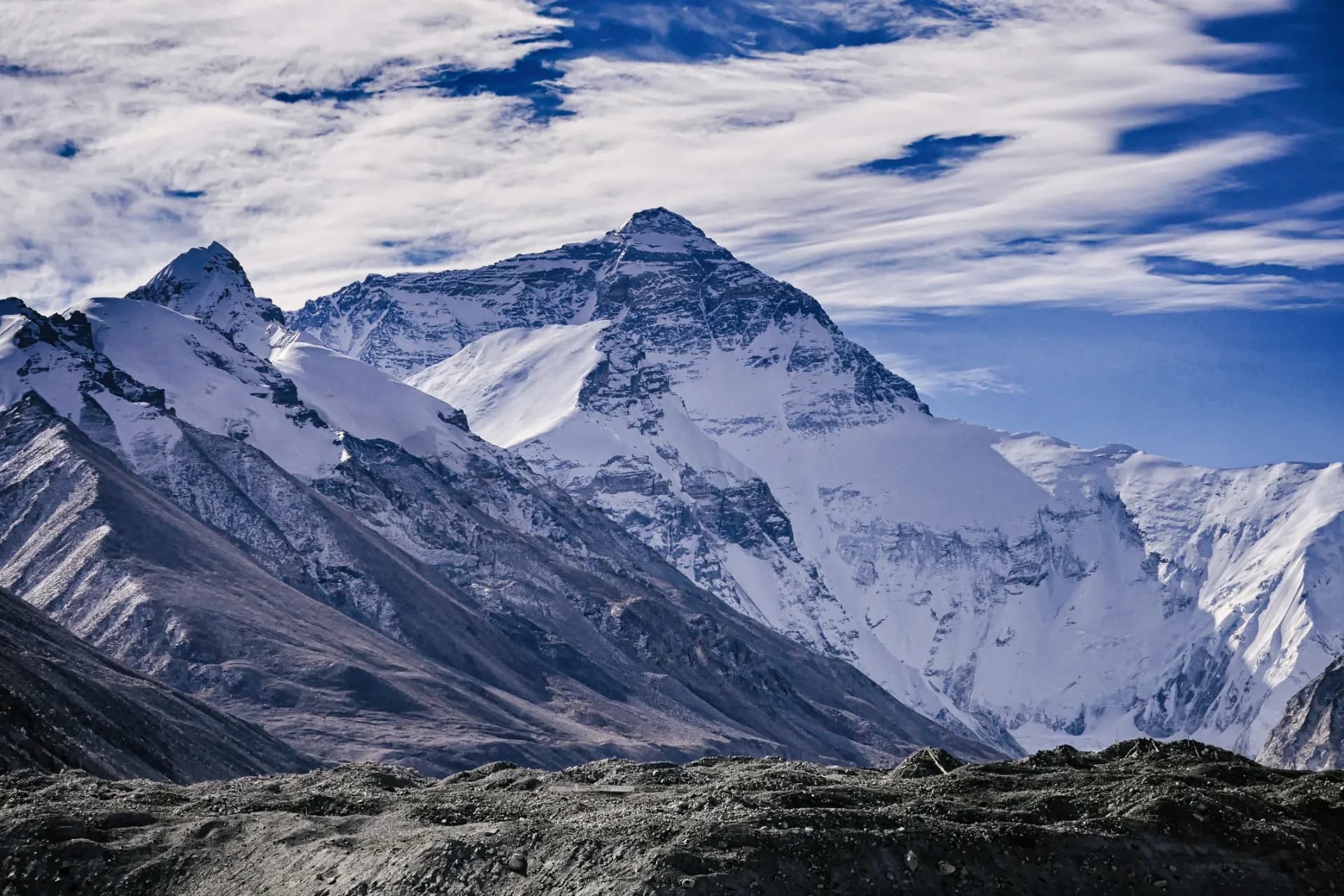
This is not simply a longer Everest Base Camp trek. The Three Passes route offers a much more complete experience of the Khumbu, with changing landscapes, fewer-traveled valleys, demanding high-altitude crossings, and panoramic views of Everest, Lhotse, Makalu, Cho Oyu, Ama Dablam and surrounding peaks. It is a strenuous adventure designed for trekkers with good fitness and previous high-altitude trekking experience.
Highlights
Day-by-Day Itinerary
Arrive at Tribhuvan International Airport, meet our representative and transfer to your hotel. After settling in, meet your guide for a trek briefing and preparation for the journey into the Everest region.
Altitude
1400m
Distance
N/A
Meals
N/A
Accommodation
Hotel
What's Included
Included
- Airport pickups and transfers in Kathmandu
- Domestic flight tickets: Kathmandu–Lukla–Kathmandu
- 3-star hotel in Kathmandu with breakfast
- Tea house accommodation throughout the trek
- All meals during the trek (breakfast, lunch, dinner)
- Experienced, licensed English-speaking trekking guide
- Porter service (1 porter per 2 trekkers)
- Sagarmatha National Park entry permit
- Khumbu Pasang Lhamu Rural Municipality entry permit
- First aid kit and pulse oximeter
- Trekking map and trip completion certificate
Not Included
- International airfare to/from Nepal
- Nepal tourist visa fee
- Travel and rescue insurance
- Personal expenses, snacks and souvenirs
- Hot showers, Wi-Fi and charging fees
- Bottled water and other beverages
- Tips for guide and porter
- Personal trekking equipment and gear
- Extra nights in Kathmandu beyond the itinerary
- Any additional accommodation or meals resulting from itinerary changes
Accommodation & Meals
Accommodation
You'll spend nights in a comfortable hotel in Kathmandu and traditional teahouses throughout the trek. Teahouses provide simple twin-sharing rooms with beds, blankets and basic facilities. As the route reaches the remote high-altitude valleys, facilities become more basic, particularly around Chhukung, Lobuche, Dzongla, Thangnak, Gokyo and Lungden. Bathrooms are generally shared at the higher settlements, while hot showers, Wi-Fi and charging facilities may be available for an additional fee where conditions allow. During the three pass crossings, facilities are naturally limited, so trekkers should be prepared for basic mountain conditions.
Meals
All meals during the trek are included. Breakfast commonly includes porridge, eggs, pancakes, toast and Tibetan bread. Lunch and dinner usually feature dal bhat, noodles, momos, pasta, soup, rice and other simple mountain meals. Dal bhat is a popular choice because it provides a filling combination of rice, lentils and vegetables. Vegetarian meals are widely available throughout the route.
Difficulty & Fitness
Requirements
- Ability to walk 6–9 hours on demanding trekking days
- Strong cardiovascular endurance
- Comfortable walking on steep and uneven terrain
- Previous high-altitude trekking experience strongly recommended
- Ability to handle consecutive days above 4,000m
- Good physical and mental endurance
- Comfortable with basic teahouse conditions
- Experience above 4,000–4,500m is strongly recommended before attempting the trek
Training Tips
- Start cardiovascular training 8–12 weeks before the trek
- Include regular uphill hiking with a light-to-moderate backpack
- Add stair climbing and leg-strengthening exercises
- Practice walking on uneven and rocky terrain
- Build up to 15–20 km walking days
- Include several long hikes before departure
Packing List
- Moisture-wicking base layers (4–5)
- Waterproof outer shell jacket
- Warm down or insulated jacket
- Fleece jacket
- Trekking pants (2–3 pairs)
- Waterproof trekking pants
- Warm hat and sun hat
- Warm socks (5–6 pairs)
- Insulated gloves
- Lightweight liner gloves
- Comfortable camp clothes
Best Time to Trek
March – May (Spring)
Pros
- Generally favorable trekking conditions
- Clear mountain views on many mornings
- Rhododendron forests bloom at lower elevations
- Longer daylight hours
- Comfortable conditions at lower elevations
Cons
- Afternoon clouds can develop
- Higher passes can still have snow early in the season
- Popular sections of the route can become busy
Safety & Altitude Awareness
Safety Measures
- All guides are licensed and experienced in the Everest region
- Guides carry first aid kits and pulse oximeters
- Guides carry first aid kits and pulse oximeters
- Controlled trekking pace with planned acclimatization days
Altitude Sickness
- The itinerary includes acclimatization days at Namche Bazaar and Dingboche
- The gradual ascent allows time for the body to adjust to increasing altitude
- AMS can still occur despite proper acclimatization
- Risk increases significantly above 3,000m
Emergency Protocol
- 24/7 emergency contact support from Kathmandu office
- Guides carry first aid equipment and pulse oximeters
- Helicopter evacuation can be arranged where weather and landing conditions allow
- Rescue availability depends on weather, location and flying conditions
- Travel insurance with high-altitude trekking and helicopter evacuation coverage is strongly recommended
- Any evacuation decision should prioritize the trekker's safety and medical condition
Frequently Asked Questions
Ready for Your Adventure?
Join trekkers from around the world on this life-changing journey.
$1,950
per person
20 Days
adventure
2.9
0 reviews
You Might Also Like
Discover other amazing adventures that might catch your eye.