Everest Base Camp Trek Without Lukla Flight
"The Original Trail to Everest. No Flight Required."
Trek Gallery
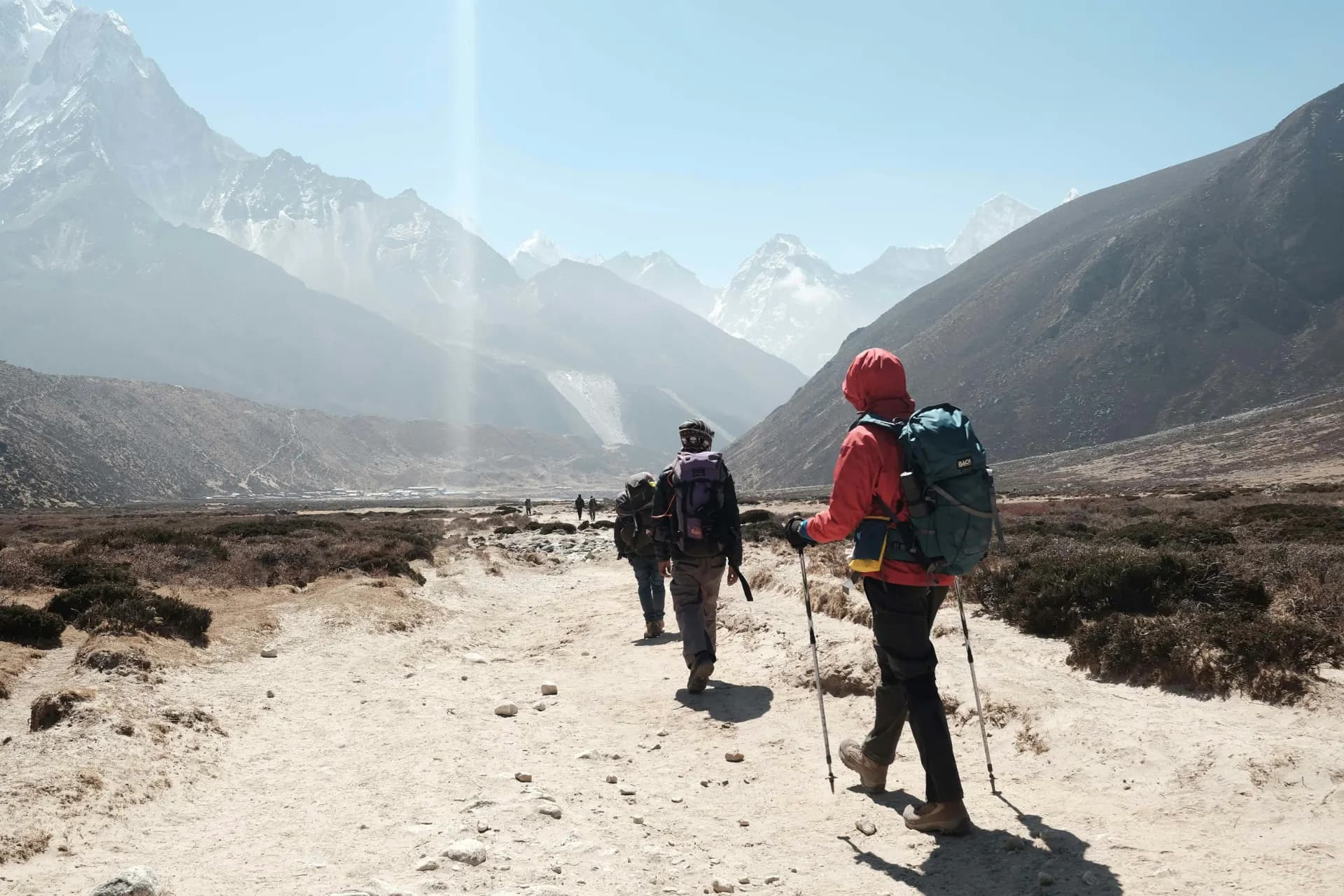
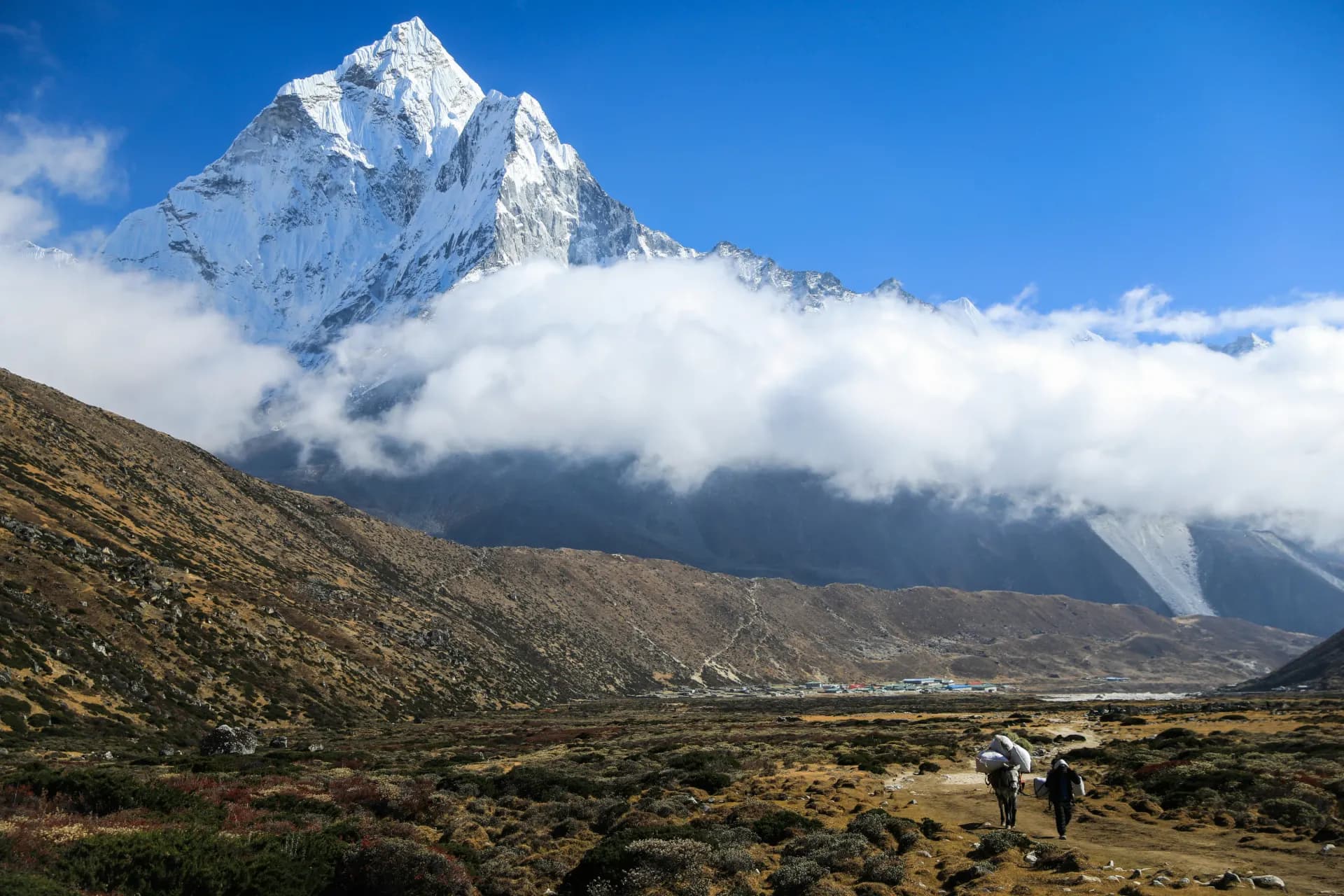
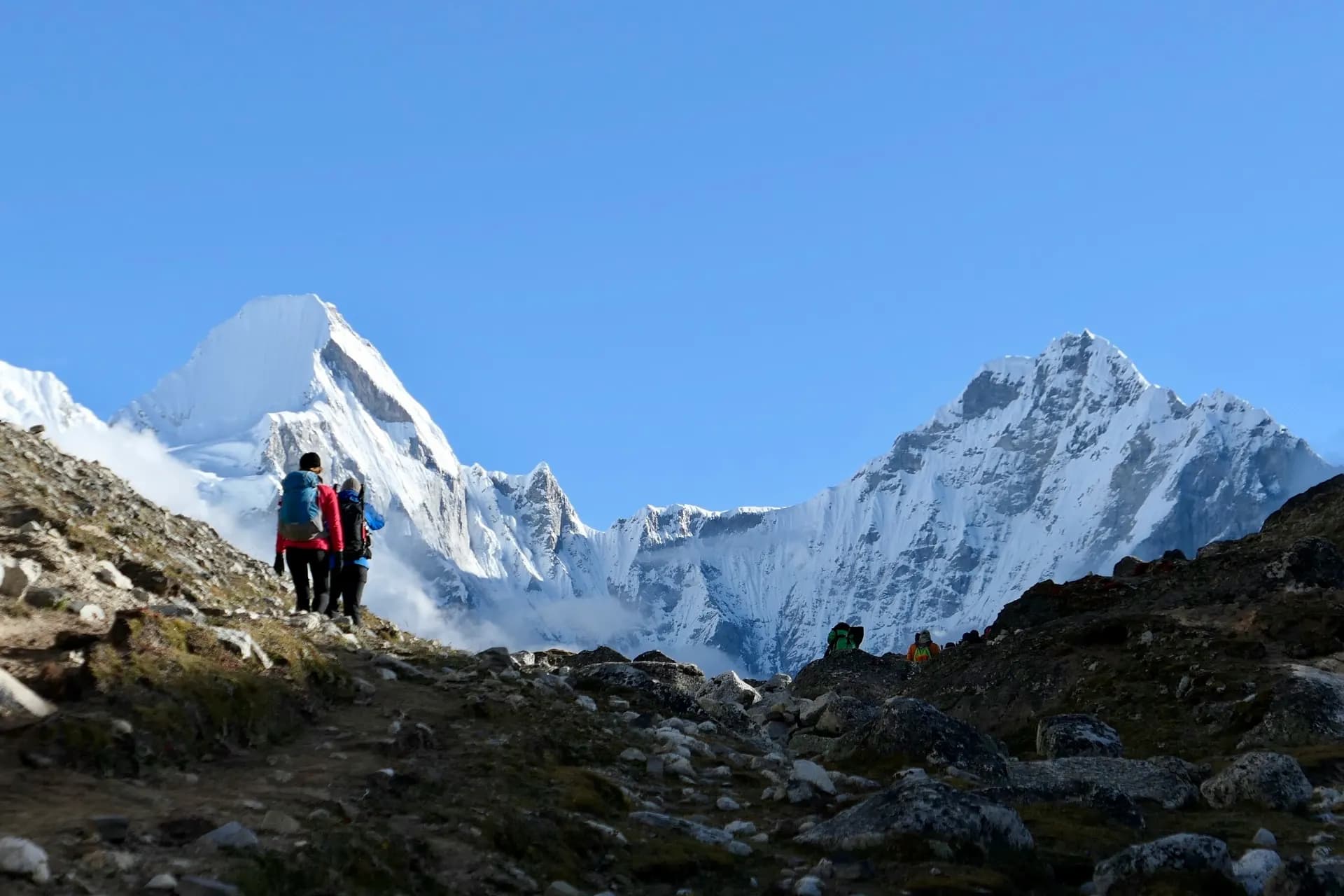
Your Journey Without the Flight
Follow every step of the Everest Base Camp Trek Without Lukla Flight — from Kathmandu to Pheriche. Click on any waypoint to see detailed information.
5,545m
Highest Point
Pheriche
190 km
Total Distance
Estimated trail distance
12
Key Waypoints
Villages, camps & peaks
+4,145m
Elevation Gain
From Kathmandu
💡 Tip: Click on any waypoint on the map to see detailed information about that stop
Trek Overview
The Everest Base Camp Trek Without Lukla Flight is the classic, original route to Everest; the same trail used by Sir Edmund Hillary and Tenzing Norgay's era of Everest expeditions, decades before Lukla's airstrip made the journey shorter but far more weather-dependent. Instead of flying, you'll drive overland from Kathmandu to Salleri, then trek through the lower Solu region by rolling hills, terraced farmland, and traditional Sherpa and Rai villages before joining the classic Everest trail near Lukla and continuing on to Everest Base Camp itself.
This route removes the single biggest source of itinerary disruption on any Everest trek: the notoriously unreliable Lukla flight, which is frequently delayed or cancelled due to weather, sometimes for days at a time. By trekking in from a lower elevation instead, you also gain a significant practical advantage, a much more gradual, natural acclimatization profile than trekkers who fly directly into 2,840m, reducing altitude sickness risk before you even reach the higher sections of the trail.
Beyond the practical benefits, this is simply a richer, more immersive journey; extra days spent walking through authentic lower Khumbu and Solu villages that most Everest trekkers never see, before merging with the world-famous trail to Base Camp and Kala Patthar.
Highlights
Day-by-Day Itinerary
Arrive at Tribhuvan International Airport, meet our representative, and transfer to your hotel. Attend a trek briefing with your guide.
Altitude
1400m
Distance
N/A
Meals
N/A
Accommodation
Hotel
What's Included
Included
- Airport pickups and transfers in Kathmandu
- Ground transportation: Kathmandu–Salleri and Salleri–Kathmandu
- 3-star hotel in Kathmandu (2 nights) with breakfast
- Tea house accommodation during the trek
- Experienced, licensed English-speaking trekking guide
- Porter service (1 porter per 2 trekkers)
- Sagarmatha National Park entry permit
- Khumbu Pasang Lhamu Rural Municipality entry permit
- Gaurishankar Conservation Area entry permit (for the lower Solu section)
- First aid kit and oximeter
- Trekking map and trip completion certificate
Not Included
- International airfare to/from Nepal
- Nepal tourist visa fee
- Travel and rescue insurance
- Personal expenses (snacks, drinks, souvenirs)
- Hot showers, Wi-Fi, and charging fees
- Bottled water and other beverages
- Tips for guide and porter
- Personal trekking equipment and gear
- Extra nights in Kathmandu beyond the itinerary
- Emergency helicopter flights, if required (this package is by road/trail only)
Accommodation & Meals
Accommodation
You'll spend two nights in Kathmandu in a comfortable hotel before and after the trek. On the trail, you'll stay in teahouses throughout including simpler, more traditional lodges in the lower Solu region (Salleri to Surke) before joining the well-developed teahouse infrastructure of the main Everest trail from Phakding onward. Rooms are twin-share with a bed, blanket, and pillow, with hot showers and Wi-Fi widely available on the classic trail section for a small fee.
Meals
All meals during the trek are included. Breakfast typically consists of porridge, eggs, pancakes, and toast. Lunches and dinners feature dal bhat (rice with lentil soup), noodles, momos, and simple pasta dishes, with the lower Solu section offering a bonus: locally grown organic vegetables not always available higher up the main trail. Vegetarian options are always available.
Difficulty & Fitness
Requirements
- Ability to walk 5–9 hours per day across an extended 16-day itinerary
- Comfortable with sustained daily walking, including several long lower-elevation days before the altitude sections begin
- No serious heart, lung, or blood pressure conditions
- Some prior hiking experience helpful, given the trek's length
- Good general endurance for consecutive trekking days with fewer rest breaks than the classic Lukla-start route
Training Tips
- Start cardio training 6–8 weeks before the trek
- Include regular hiking with a light-to-moderate backpack
- Add stair climbing and leg-strengthening exercises
- Build up to walking 12–15 km comfortably
- Take at least one long weekend hike (4+ hours) before departure
Packing List
- Moisture-wicking base layers (4–5)
- Waterproof outer shell jacket
- Warm hat and sun hat
- Warm socks (5–6 pairs)
- Insulating fleece/down jacket
- Trekking pants (2–3 pairs)
- Gloves (liner + insulated)
- Comfortable camp clothes
Best Time to Trek
March - May (Spring)
Pros
- Clear mountain views along the full route
- Rhododendron forests in bloom in both the lower Solu region and near Namche/Tengboche
- Comfortable daytime temperatures in the lower villages
- No flight-related weather risk to worry about at any point in the journey
Cons
- Occasional afternoon haze at lower elevations
- Nights turn cold above Dingboche
Safety & Altitude Awareness
Safety Measures
- All guides are licensed and experienced on both the classic Jiri/Salleri route and the standard Everest trail
- Guides carry first aid kits and pulse oximeters
- Regular altitude/health checks throughout the trek
- 1:6 guide-to-trekker ratio (maximum)
Altitude Sickness
- Because this route starts from a lower elevation (2,390m) and gains altitude gradually over several extra days, acclimatization is naturally superior to routes that fly directly into 2,840m
- Acute Mountain Sickness (AMS) can still occur above 3,000m, particularly around Dingboche and Lobuche
- Symptoms: headache, nausea, fatigue, difficulty sleeping
- Prevention: proper acclimatization, hydration, gradual ascent
Emergency Protocol
- 24/7 emergency contact support from Kathmandu office
- Helicopter evacuation can still be arranged from anywhere along the classic trail section (weather permitting), though the lower Solu section has more limited access
- Portable oxygen available at high camps
- Rescue coverage must be included in your insurance
- Nearest medical facilities: HRA clinic in Pheriche, additional support in Namche, Lukla, and Salleri
Frequently Asked Questions
Ready for Your Adventure?
Join trekkers from around the world on this life-changing journey.
$1,450
per person
16 Days
adventure
4.7
0 reviews
You Might Also Like
Discover other amazing adventures that might catch your eye.